If not handled promptly, businesses may face delivery delays and additional costs. Understanding the causes of rollover and knowing how to respond can help businesses take greater control of their container shipping process.
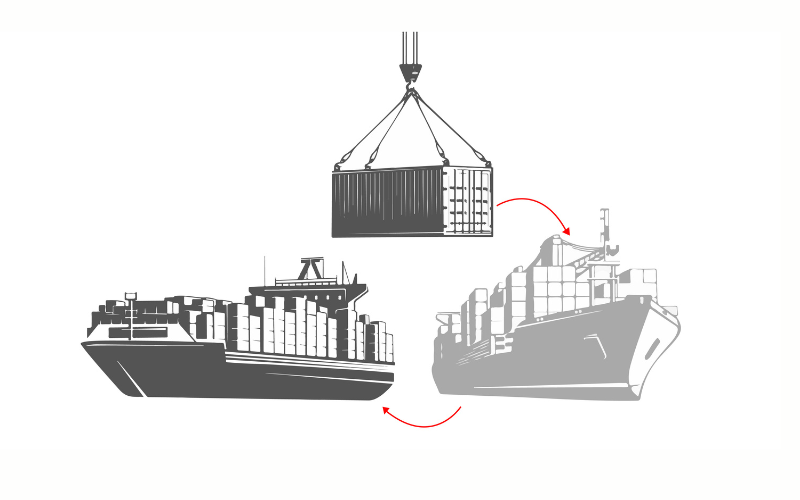
In container shipping, rollover refers to a situation where a container has a confirmed booking but is not loaded onto the scheduled vessel and is instead moved to another vessel.
Container rollover generally refers to cargo being moved from the originally booked vessel to the next available sailing. When rollover occurs, the container may have to remain at the port or operational facility while waiting for the new shipping schedule.
For example, a business may have a booking with a scheduled ETD of the 15th, but the container is not loaded onto that sailing. The shipping line then informs the business that the container has been moved to a vessel with an ETD of the 18th, causing the actual shipping schedule to be delayed compared with the original plan.
Rollover and delay can both cause cargo to arrive later than expected, but they are different in nature. A delay generally refers to a vessel or sailing schedule being delayed compared with the original plan, while rollover directly involves a container not being loaded onto its scheduled vessel.
Therefore, businesses need to accurately determine whether the container has been rolled over or the vessel itself has been delayed in order to choose the appropriate solution. Booking details, voyage information, ETD, and container status should be checked with the shipping line or freight forwarder.
Rollover can occur for various reasons during the container shipping process. Some causes are related to vessel capacity and the shipping line's operational planning.
Each vessel has a limited capacity. When booking volumes increase, shipping lines must plan container loading based on various factors such as origin, destination, weight, and operational requirements. If there is not enough space for all confirmed bookings, some shipments may be moved to the next sailing.
This situation is more common during periods of high shipping demand. Therefore, businesses should monitor their booking status after confirmation rather than relying solely on the original vessel schedule.
Containers need to be delivered to the port before the CY cut off time specified in the booking. In addition, relevant information and documents such as the Shipping Instruction or VGM may have their own deadlines depending on the route and shipping line.
If the container misses the required deadline or the necessary information is incomplete, the shipment may not be included in the vessel loading plan. For example, Maersk states that failure to provide VGM within the required deadline may result in the container not being loaded onto the vessel and being moved to a subsequent sailing.

Vessel schedules may be adjusted due to capacity planning, market demand, route changes, or other operational factors. When a sailing is canceled or its schedule is changed, confirmed bookings may be moved to an alternative vessel.
In practice, shipping lines may also implement blank sailings or make changes to their operational schedules. In such cases, businesses should check the voyage, ETD, port rotation, and revised schedule to assess the potential impact on the overall delivery plan.
A single rollover may only delay the vessel schedule by a few days, but for shipments with strict delivery deadlines, the impact can be much greater.
When a container is moved to a subsequent sailing, the actual ETD changes and the cargo's arrival at the destination port may also be delayed. If the shipment is needed for production or has a fixed delivery schedule, the delay can affect the company's overall operations.
For example, a business may need its cargo to arrive at the destination port before a specific customer delivery date, but the container is rolled over to the next sailing. The additional waiting time may force the business to adjust its inland transportation, warehouse, or delivery schedule.
Rollover may cause a container to remain at the port or operational facility longer than originally expected. Depending on the applicable terms and conditions of the shipping line, port, and transportation contract, businesses may incur additional costs associated with the extended container storage period.
Therefore, when receiving a rollover notification, businesses should not focus only on the new ETD. They should also check the container status, the permitted storage period, and any potential charges that may arise.
Changes to vessel schedules can lead to adjustments in other stages of the logistics process, including customs clearance, inland transportation, warehouse planning, and cargo delivery. For shipments with specific delivery deadlines, businesses need to respond as early as possible.
If a container is rolled over multiple times or the alternative sailing is scheduled too far in the future, businesses should reassess their transportation options instead of simply waiting without a contingency plan.
When receiving a rollover notification, the most important steps are to identify the cause and confirm the alternative sailing as soon as possible.
First, businesses should confirm why the container was rolled over and which voyage it has been transferred to. Key information to check includes the new ETD, estimated ETA, port of loading, port of discharge, and container status.
If the rollover is related to the cut off time, VGM, or documentation, businesses should identify exactly which requirement has not been fulfilled. This helps prevent the container from being left off the next sailing as well.
Businesses should contact the shipping line or freight forwarder as soon as possible to check whether space can be secured on the alternative sailing. In some cases, businesses may request support for another transportation option if the revised schedule has a significant impact on the delivery timeline.
An experienced freight forwarder can assist businesses with booking monitoring, vessel schedule updates, and communication with the shipping line when issues arise. Having a dedicated party responsible for monitoring the shipment throughout the process can help businesses reduce response time when the transportation schedule changes.
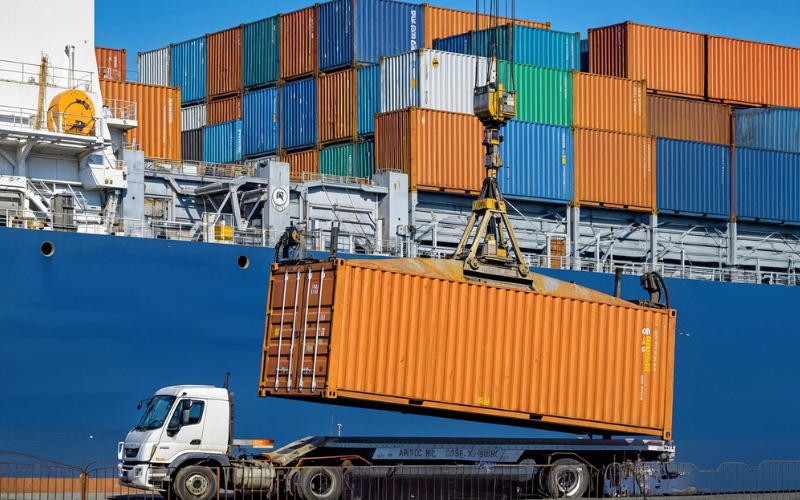
During sea freight transportation, container rollover can cause cargo to be moved to another sailing and affect the overall delivery plan. VDM Forwarder supports businesses by monitoring bookings, updating vessel schedules, and coordinating with shipping lines when container-related issues arise, helping customers take greater control of their shipments.
With practical experience in container shipping, VDM Forwarder assists businesses in identifying the cause of rollover, checking the updated voyage and ETD, and recommending suitable solutions when the vessel schedule changes. Closely monitoring booking status and proactively handling potential issues can help businesses minimize delays, control costs, and maintain more stable import and export operations.

Receive shipping service price lists and optimal logistics solution advice from our experts.




We are always ready to advise and support you 24/7.