
Import and export businesses should closely monitor route conditions and plan bookings in advance to minimize the impact on delivery schedules.
The end of the year is a period when businesses increase production, import raw materials, and complete orders for the peak shopping season. As cargo volumes rise, some parts of the sea freight supply chain may come under greater pressure, leading to schedule changes.
Shipping demand often increases as businesses prepare goods for the peak retail season and fulfill year end orders. As cargo volumes grow, shipping capacity on some routes may become tight, particularly on routes with high booking demand.
For exporters, rising demand can make it more difficult to secure suitable slots or may require waiting for the next sailing if the planned vessel is already fully booked. Therefore, preparing cargo and making bookings early play an important role in reducing the risk of schedule delays.
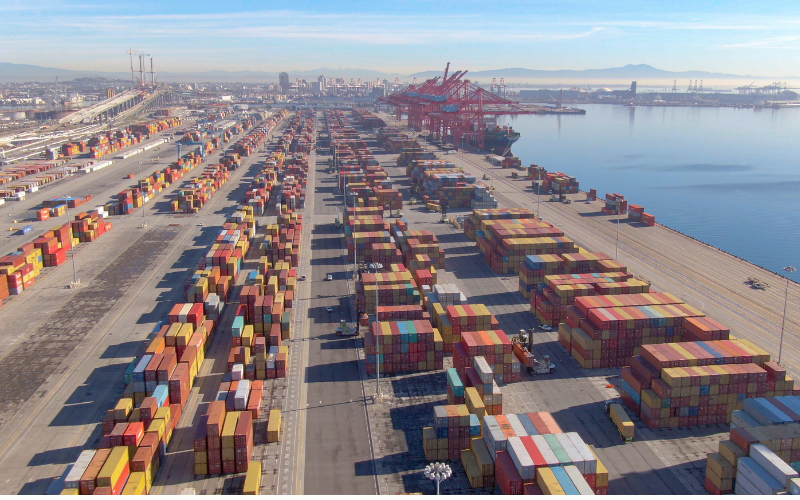
Transshipment ports play an important role in routes without direct sailings from the origin port to the destination port. When a transshipment port becomes congested, vessel waiting times, cargo handling, or connections to the next sailing may take longer and affect the entire journey.
This risk is particularly important for shipments that require one or more transshipment points. A single change at a transshipment port can cause a container to be moved to the next sailing, extending the actual delivery time.
A blank sailing refers to a situation where a shipping line cancels a scheduled sailing. When a blank sailing occurs, businesses may need to move their bookings to another vessel, which can affect the planned loading and departure time.
In addition to blank sailings, vessel schedules may change due to port operating conditions, weather, network adjustments, or unexpected events during the voyage. Therefore, the sailing schedule at the time of booking should be considered an estimated plan and should continue to be monitored after the booking is confirmed.
The level of schedule disruption varies by route and time period. However, businesses should pay particular attention to routes with long transit times, high cargo volumes, or a strong dependence on transshipment ports.
Some routes connecting Vietnam with major international markets may require closer monitoring during the year end period:
The routes above do not necessarily mean that delays will occur throughout the entire year end period. Businesses should assess the actual conditions of each route, including vessel schedules, origin ports, and transshipment ports, when making bookings.
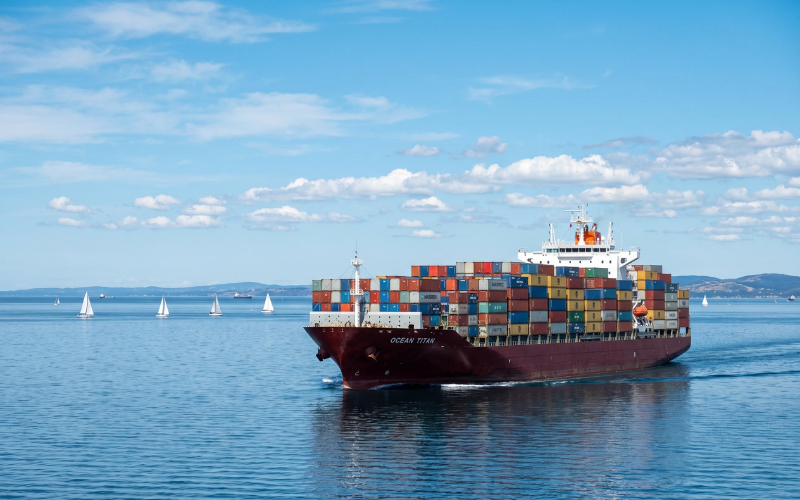
A delayed vessel can lead to various changes in an import and export plan, particularly for businesses that depend on strict delivery schedules or fixed production timelines.
When a vessel departs late or a container has to be moved to the next sailing, the actual transit time may be longer than originally planned. For import shipments, this can delay the arrival of raw materials or finished goods at the warehouse. For export shipments, businesses may face difficulties meeting agreed delivery deadlines.
For example, a shipment planned to arrive in time for a specific production schedule or customer delivery date may require additional buffer time if the route is at risk of schedule changes. Relying solely on the estimated vessel schedule without a contingency plan can leave businesses unprepared.
Schedule delays can change the time a container remains at the port or the timing for container pickup and return. Depending on the conditions of the shipping line, port, and shipment, businesses may incur additional charges related to container detention, storage, or other services.
Therefore, when selecting a route and sailing schedule, businesses should consider the estimated transit time, buffer time, and conditions related to the container. A lower freight rate with an unstable schedule may not necessarily be the option with the best overall cost.
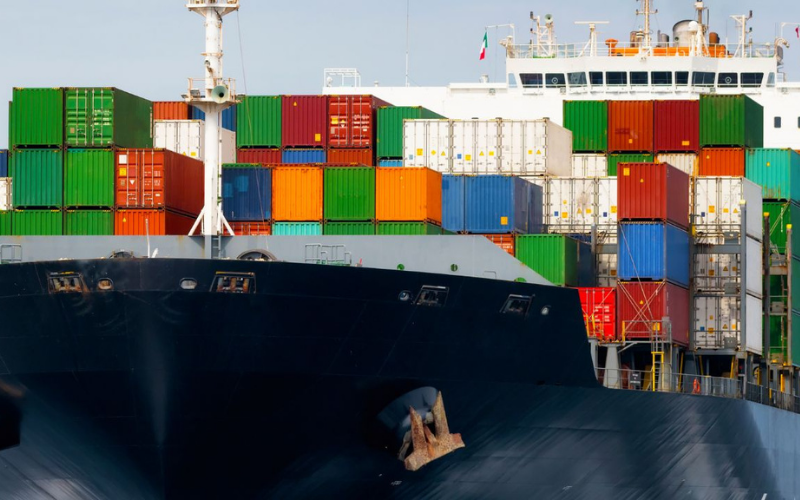
Taking action before cargo is packed into containers gives businesses more time to respond if the vessel schedule changes.
Making bookings early gives businesses more choices in terms of vessel schedules and departure times, especially when shipping demand increases toward year end. For shipments with specific delivery deadlines, businesses should determine the cargo ready date and communicate with the shipping line or logistics provider as early as possible.
Early booking also provides additional time to respond if the planned sailing changes. However, booking early does not guarantee that the vessel schedule will remain unchanged, so businesses should continue monitoring the shipment after the booking is confirmed.
Before moving cargo to the port, businesses should check the booking status, empty container availability, container pickup time, cargo cut off time, and slot status for the selected sailing. If any changes occur, identifying them early allows businesses to adjust their cargo preparation and inland transportation plans.
For routes with long transit times or multiple transshipment points, regular monitoring is even more important. This helps prevent situations where cargo is ready but cannot be loaded onto the planned sailing.
A logistics provider can support businesses by updating vessel schedules, checking booking status, and providing information about changes to the shipment route. Early communication also allows both parties to identify alternative options if the original sailing changes or is no longer suitable for the delivery plan.
Especially toward year end, businesses should provide complete information about the cargo ready date, delivery deadline, and route requirements. Based on this information, the logistics provider can recommend a more suitable transportation option in terms of vessel schedules and buffer time.
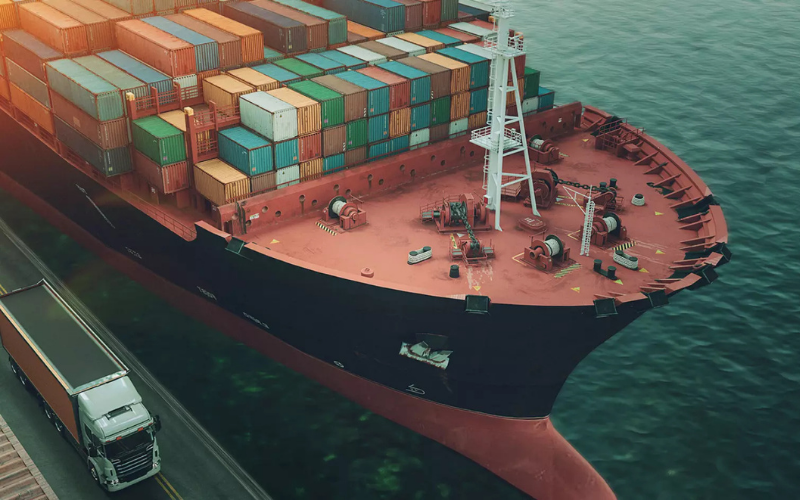
During the year end period, when shipping demand increases and vessel schedules may change, businesses need to be more proactive when selecting routes, making bookings, and monitoring shipments. VDM Forwarder supports customers by providing vessel schedule updates, checking booking status, and recommending transportation options that match the delivery requirements of each shipment.
With experience handling various sea freight routes and different types of cargo, the VDM Forwarder team supports businesses throughout the cargo preparation, container arrangement, and shipment tracking process. Early communication gives businesses more time to respond to unexpected changes, minimize disruptions to delivery schedules, and maintain greater control over their year end logistics plans.

Receive shipping service price lists and optimal logistics solution advice from our experts.




We are always ready to advise and support you 24/7.