
Understanding Peak Season helps businesses plan container shipments in advance and reduce the risk of schedule delays and unexpected costs.
Peak Season refers to a period when demand for cargo transportation rises significantly during the year, putting pressure on vessel capacity, container availability and port operations. For importers and exporters, understanding peak periods helps them proactively plan bookings and cargo handling.
In container shipping, Peak Season refers to a period when the volume of cargo being transported increases significantly compared with normal periods. On many international trade lanes, the peak period often occurs from August to October, when businesses increase shipments to prepare for year end consumer demand.
However, the timing of Peak Season is not the same for every trade lane. Demand can vary depending on the market, shopping seasons, production schedules and trade conditions. Therefore, businesses should monitor individual routes instead of relying on a single general timeframe.
Before major shopping seasons, importers often increase inventory levels to meet consumer demand. Manufacturers and exporters also tend to accelerate shipment schedules, causing demand for vessels and containers to increase within the same period.
For example, goods intended for the year end shopping season in North America and Europe are often prepared several weeks or months in advance. When many businesses increase their cargo volumes at the same time, transportation capacity on certain routes can quickly become limited.
When cargo volumes rise rapidly, businesses may face greater difficulties securing containers, booking vessel space and controlling transportation costs. These factors can directly affect delivery schedules and import and export plans.
Higher shipping demand combined with limited capacity on a specific trade lane can put upward pressure on freight rates. In addition to the basic freight rate, businesses may also face surcharges that change depending on market conditions and shipping routes.
As a result, waiting until cargo is ready to ship before making a booking may leave businesses with fewer choices regarding vessel schedules and freight rates. Planning ahead gives businesses more time to compare suitable transportation options.
During Peak Season, increased demand for containers can make it more difficult to secure empty containers in certain areas. This situation depends on cargo imbalances between regions, vessel schedules and shipping lines’ ability to reposition containers.
If a container is not available when cargo is ready for loading, businesses may need to adjust their loading or delivery schedules. For shipments with strict delivery deadlines, container shortages can increase the risk of delays.
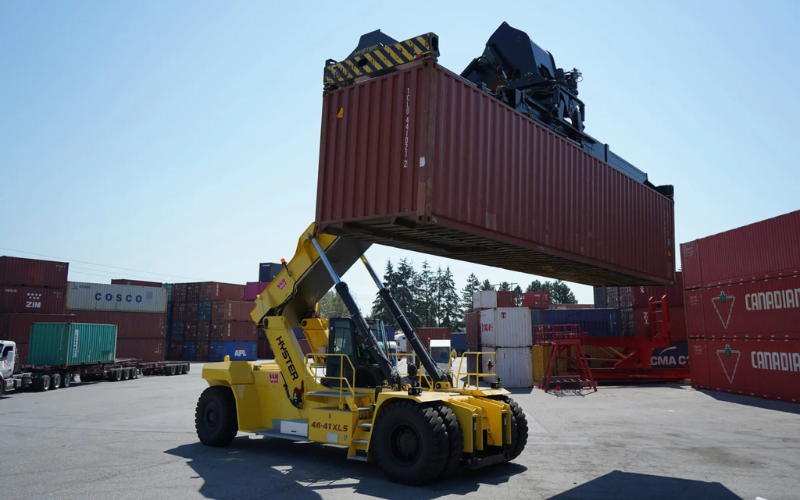
A container roll occurs when a booked container is not loaded onto the scheduled vessel and is instead moved to a later sailing. This can happen due to vessel capacity constraints, changes in shipping schedules or issues arising at the port.
When a container is rolled, the shipment may take longer to reach its destination than originally planned. Businesses should therefore regularly monitor their booking, vessel schedule and cargo status, especially for shipments with strict delivery deadlines.
There is no fixed booking timeframe that applies to every shipment because booking lead times depend on the trade lane, shipping line, container type and market conditions. However, businesses should plan earlier during Peak Season to have more options if vessel schedules change.
Under stable market conditions, businesses can plan bookings based on cargo readiness dates, loading schedules and suitable vessel departures. Booking in advance gives logistics providers enough time to check vessel schedules and arrange containers.
For shipments with fixed delivery deadlines, businesses should avoid waiting until the cargo is completely ready before starting the booking process. Early booking helps reduce pressure when the loading date approaches.
When entering Peak Season, businesses should discuss booking plans with logistics providers and shipping lines earlier than usual, especially on high demand routes. Some logistics markets recommend preparing bookings around 4 to 6 weeks in advance during peak periods. However, this is only a general reference and should be adjusted according to each specific route.
For cargo with strict delivery deadlines, businesses should also allow additional time for potential container shortages, vessel schedule changes or booking rollovers. The most important step is to identify the cargo ready date and final delivery deadline to build an appropriate shipping schedule.
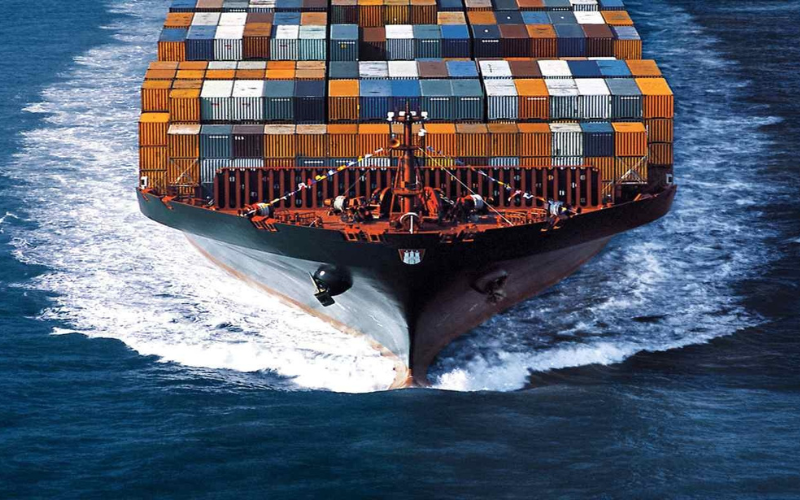
Early preparation helps businesses reduce their dependence on container and vessel availability close to the shipping date. Instead of focusing only on freight rates, businesses should consider vessel schedules, container availability, documentation and the logistics provider’s ability to support the shipment.
Businesses should determine cargo volume, cargo ready date, container type and delivery deadline as early as possible so that the logistics provider can identify suitable transportation options. The clearer these details are, the easier it becomes to check vessel schedules and arrange containers.
During Peak Season, vessel schedules may change due to operational conditions, port issues or market factors. Businesses should therefore regularly monitor ETD, ETA and booking status rather than checking them only once when making the booking.
Export documents should be prepared accurately and completely according to the requirements of the shipment, destination market and relevant regulations. Preparing documents early helps prevent situations where cargo is ready but cannot proceed because the necessary procedures have not been completed.
Businesses should also check that important information is consistent across documents, including product descriptions, quantities, weights and shipper and consignee details. Documentation discrepancies during peak periods can cause processing times to take longer than expected.

Communicating with a logistics provider early allows businesses to assess vessel schedules, container availability, transit times and related costs before the cargo is shipped. This also provides a basis for developing backup plans if the preferred sailing is no longer available.
For businesses with limited experience handling Peak Season shipments, working with a logistics provider that has experience on the relevant trade lane can make the booking and shipment monitoring process more proactive. The ultimate goal is to secure containers according to plan, reduce the risk of booking rollovers or schedule changes, and maintain delivery timelines.
During Peak Season, increased container shipping demand makes early preparation for vessel bookings, container arrangements and shipment tracking especially important. VDM Forwarder supports businesses with vessel schedule consultation, booking status checks, container arrangements and cargo handling, helping businesses manage their sea freight plans more proactively.
With experience handling containerized cargo and import and export shipments, VDM Forwarder works with businesses to develop transportation plans based on cargo readiness dates and delivery deadlines. Early communication helps reduce the risks of container shortages, booking rollovers and vessel schedule changes while providing additional options when the market enters the peak season.

Receive shipping service price lists and optimal logistics solution advice from our experts.




We are always ready to advise and support you 24/7.