Physical inspection is the process by which the customs authority checks the actual goods against the information declared on the customs declaration. This check may occur when the declaration is classified into the red channel, when the declared information appears unclear, or when the item does not fall under the categories exempt from inspection. In these cases, the container or package is moved to the inspection area at the port or warehouse for customs officers to open and check directly.
Many businesses mistakenly assume that the inspection fee is a single amount paid directly to the customs authority. In reality, the fee set by the state for inspection is usually minimal. Most of the cost that arises when goods are subject to customs inspection actually comes from third party services at the port and warehouse.
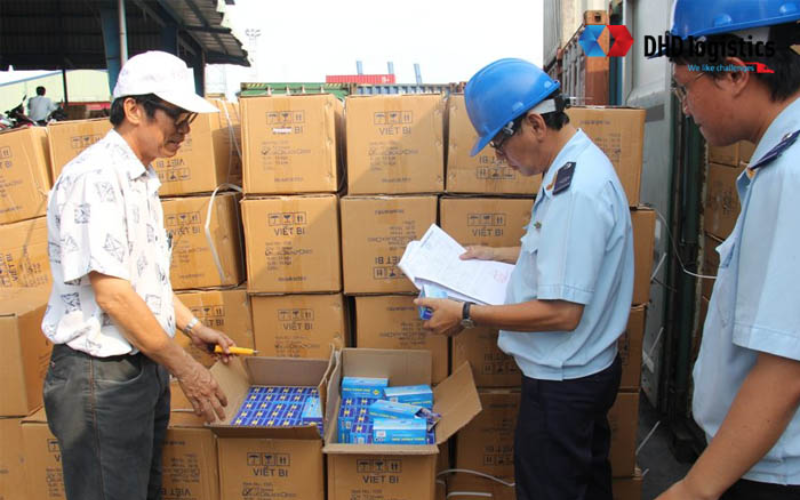
When a shipment is placed under physical inspection, businesses should be prepared for several different categories of cost, depending on the nature of the goods and the size of the shipment.
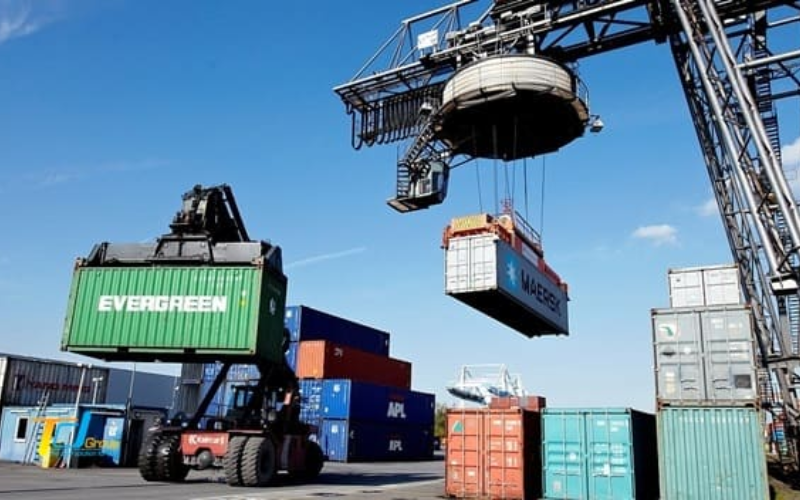
To carry out the inspection, the container usually needs to be lifted and moved from the storage yard to a separate inspection area within the port. This fee is charged by the port operator or depot, with the amount depending on the container type and the distance moved within the port premises.
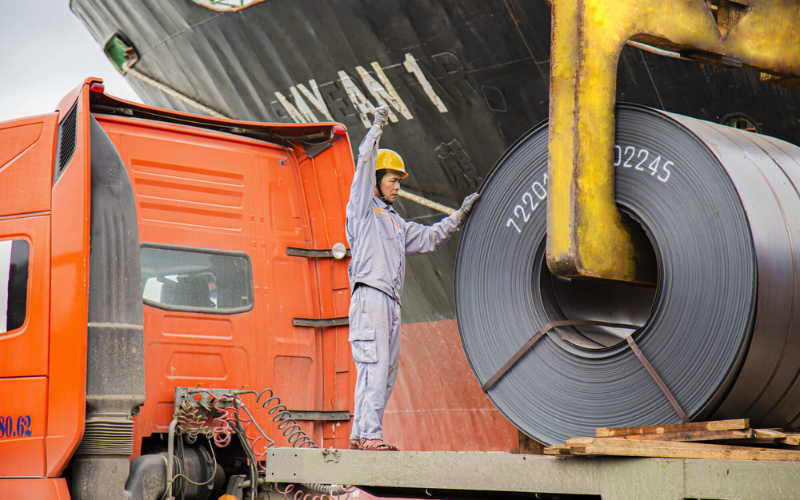
When customs requests an inspection, workers must open the container, unload part or all of the goods for checking, then repack and reseal the container afterward. Labor costs for this step are typically charged by the hour or based on the actual workload, depending on how complex the repacking process is.
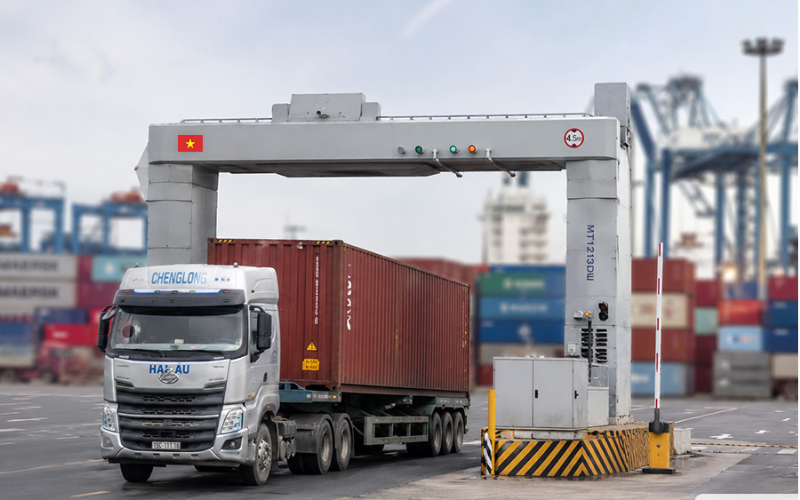
In some cases, instead of manually opening the container, the goods are required to pass through a scanning system for a quicker check. The scanning fee for the container or package is another cost that arises when goods are subject to customs inspection, particularly relevant for large volume shipments.
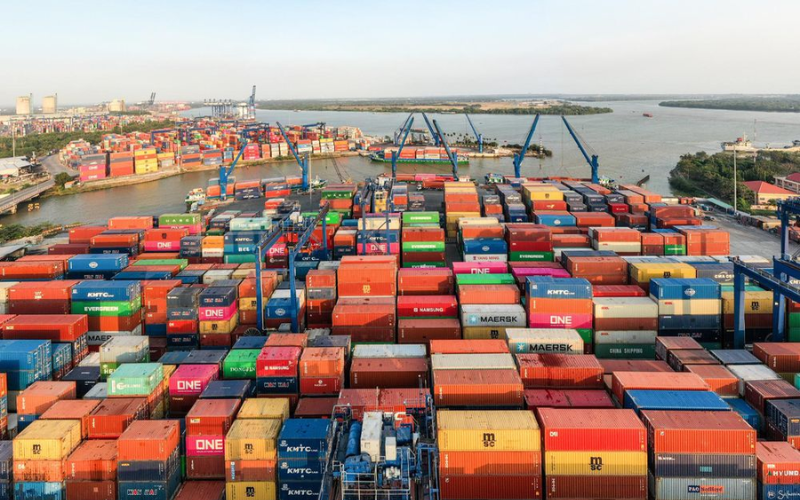
The inspection process often extends the clearance time beyond what was originally expected. When goods remain at the port longer than the free storage or container free time allowed under the carrier's contract, businesses must pay additional container demurrage and storage fees. This is usually the fastest growing cost if the inspection process drags on for several days, especially for refrigerated cargo that requires continuous power during the waiting period.
If the physical inspection reveals discrepancies in the declared information, or if additional documents are needed to prove origin or technical standards, the business may need to prepare supplementary paperwork. The slower this documentation process, the longer the clearance time, which in turn increases storage costs further.
Under current regulations, the border customs authority is responsible for covering costs directly related to the inspection activity itself, so businesses do not have to pay for the portion of the check carried out by customs. In practice, however, service fees at the port such as container lifting, opening and resealing, and storage are still paid by the business or its logistics representative, since these are service fees owed to the port operator rather than inspection costs charged by customs. For this reason, in actual operations, businesses should still set aside a separate budget for situations where goods are subject to customs inspection.
Beyond these service costs, if the inspection uncovers discrepancies in the declared value or tax code, the business may also face administrative penalties or additional tax assessments under current regulations. This is why accurate declaration from the outset is always more important than dealing with problems after they arise.
To limit the costs that arise when goods are subject to customs inspection, businesses should prepare complete documentation before the shipment arrives at the port, ensuring the information on the customs declaration matches the actual goods. For items under specialized management such as food, medical equipment, or chemicals, the relevant permits should be obtained before the shipment reaches port to avoid being held for extended inspection.
Choosing a logistics provider experienced in handling declarations and working with customs also helps businesses shorten inspection time and limit additional storage fees. An experienced provider typically understands the process well and proactively coordinates with the port and customs authority so that shipments are processed faster, reducing unnecessary costs for the customer.
With more than 15 years of experience in customs declaration, sea freight, domestic transport, and container shipping, VDM Forwarder understands the challenges businesses face when their goods are subject to customs inspection. The experienced VDM Forwarder team prepares complete documentation from the initial declaration stage and works closely with ports and customs authorities to shorten physical inspection time, minimizing unexpected costs for customers as much as possible.
If your business needs guidance on customs declaration procedures or is concerned about the costs that may arise when a shipment is subject to inspection, VDM Forwarder is ready to provide detailed consultation and a full service quote through the hotline or official contact channels.

Receive shipping service price lists and optimal logistics solution advice from our experts.




We are always ready to advise and support you 24/7.