
Therefore, businesses should consider the characteristics of their goods and delivery requirements when choosing the most suitable transportation method.
Not all types of goods are suitable for air transportation. In general, air freight is most effective for goods that require fast delivery, have high value, or have a limited shelf life.
Air freight has a major advantage in terms of speed compared with sea freight, making it suitable for shipments that need to reach the destination market within a short period. These may include urgent orders, production materials, or goods that need to be replenished quickly to avoid disruptions to business operations.
For example, a business may need to ship replacement components from Vietnam to an overseas factory. In this case, air freight may be preferred if waiting for sea freight would affect the production schedule.
Goods that have a high value compared with their weight or volume are generally more suitable for air freight than bulky products. Although air freight costs are higher, they may be reasonable when compared with the value of the goods and the delivery requirements.
This category may include certain electronic devices, technology components, premium products, or samples with significant commercial value.
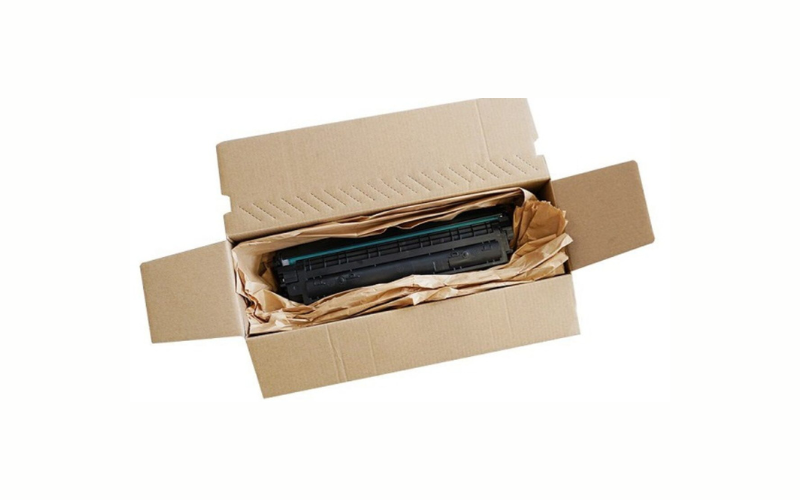
Perishable goods or products with a short shelf life need to be transported within an appropriate timeframe to maintain their quality upon arrival. Air freight can meet this requirement effectively thanks to its shorter transit time.
Fresh food, fresh flowers, certain seafood products, and other goods that require fast delivery are examples that are often considered for air transportation.
Based on factors such as delivery time, value, and shelf life, businesses may consider air freight for the following types of goods:
However, the fact that a product belongs to a category suitable for air freight does not mean that every shipment should be transported by air. Businesses should still consider weight, volume, delivery time, storage requirements, and overall costs before making a decision.
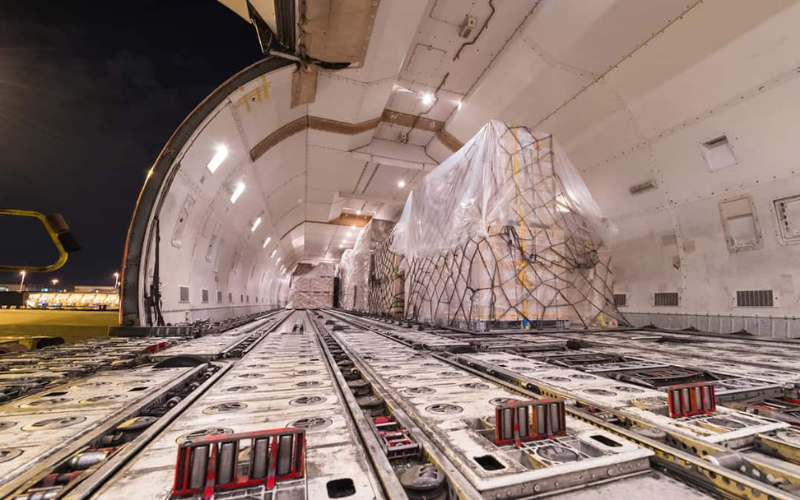
Some types of goods requiring special handling can still be transported by air, but they must comply with the regulations of airlines, relevant countries, and applicable transportation standards.
Certain pharmaceuticals, medical products, and temperature-sensitive goods need to be maintained within specific conditions throughout the transportation process. Businesses should clearly identify storage and handling requirements before choosing a transportation method.
For these shipments, fast transit time alone is not sufficient. The logistics solution should also consider temperature control, packaging, and handling requirements for each specific product.
Dangerous goods may be transported by air in cases where such transportation is permitted, but they must comply with strict requirements regarding classification, packaging, labeling, documentation, and handling.
Businesses should not determine whether a product can be shipped solely based on its product name. Accurate information about the goods should be provided so that the logistics provider and airline can verify acceptance requirements before booking.
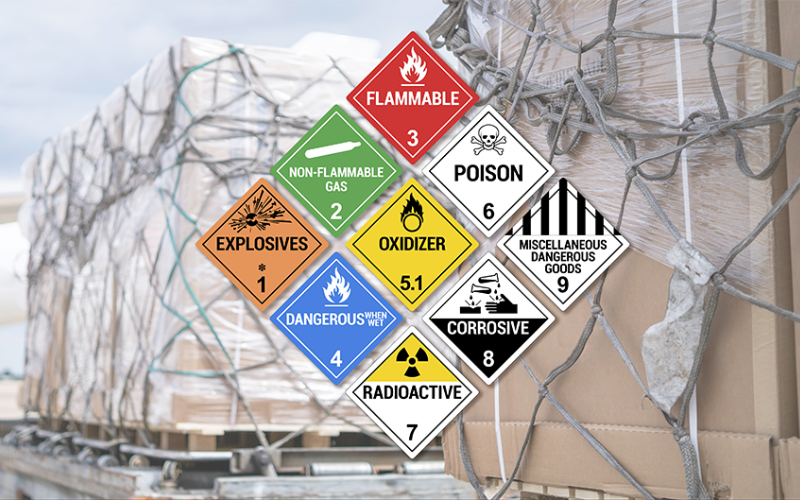
Certain goods with unusual dimensions, weight, or value require an assessment before transportation. Not every aircraft or flight route has the same operating conditions for special cargo.
Therefore, businesses should provide complete information about the dimensions, weight, characteristics, and delivery requirements of the goods so that the logistics provider can evaluate the most suitable transportation solution.
The decision to use air freight should be based on the total cost and actual requirements of the shipment rather than simply comparing freight rates.
If a delayed shipment could disrupt production, cause the loss of an order, or affect commitments to customers, businesses may consider air freight even if transportation costs are higher.
For example, a shipment of urgently needed components required to keep a production line running may be transported by air instead of waiting for a sea freight service with a longer transit time.
For high-value goods with low weight and urgent delivery requirements, transportation costs should be evaluated in relation to the value of the goods. This is a situation where air freight often offers a clear advantage.
In contrast, if goods have a large volume, low value, and no urgent delivery requirement, sea freight is often a more cost-effective option to consider.
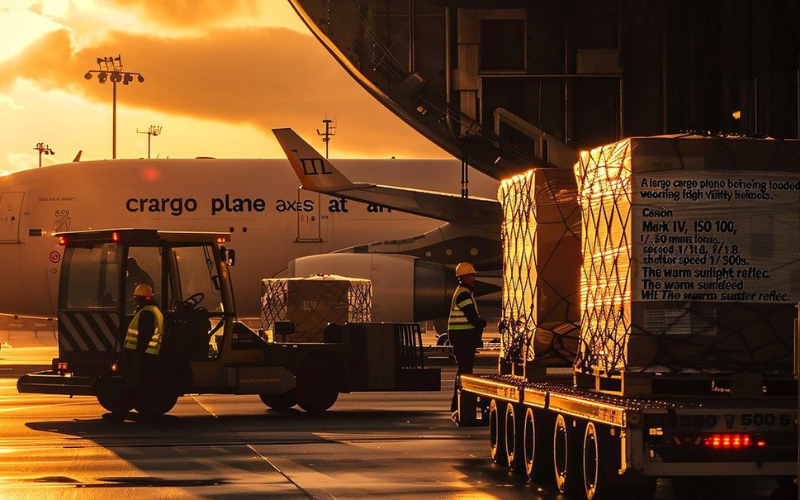
After determining that the goods are suitable for air freight, businesses should check transportation requirements before booking. Proper preparation from the beginning helps reduce the risk of cargo rejection, changes in transportation arrangements, or unexpected costs.
Each type of cargo may have specific requirements regarding weight, dimensions, packaging, or transportation conditions. For dangerous goods and temperature-sensitive products in particular, businesses should confirm acceptance requirements before shipping.
Providing accurate information about the product name, quantity, weight, dimensions, and characteristics helps the logistics provider recommend a more appropriate transportation solution.
Packaging should be suitable for the characteristics of the goods and the handling, storage, and transportation process. Fragile goods, temperature-sensitive products, and cargo with special requirements need appropriate packaging solutions.
Businesses should also check the airline's packaging requirements and applicable regulations for each type of cargo before handing over the shipment.
Information about the goods should be consistent across all documents and the actual shipment. For international import and export shipments, businesses may need to prepare commercial documents and other relevant documents according to the requirements of each market.
For special cargo, providing accurate information and complete documentation from the beginning is important during the inspection, acceptance, and transportation processes.
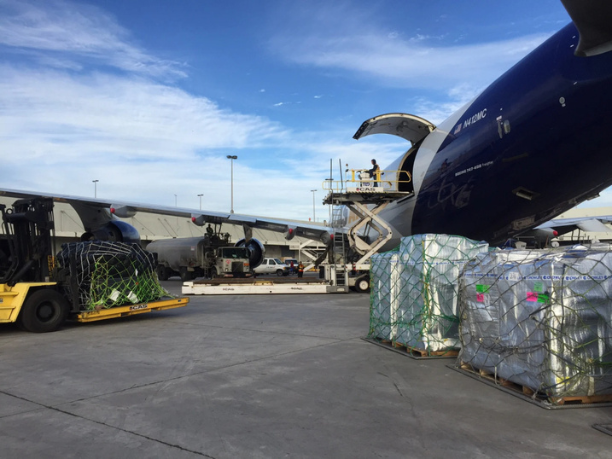
Choosing the right transportation method helps businesses balance delivery time, cargo characteristics, and logistics budgets. VDM Forwarder supports businesses in evaluating the actual requirements of each shipment to select air freight, sea freight, or a combined transportation solution that best matches the route and delivery requirements.
For shipments that require fast delivery, high-value goods, or cargo with special requirements, businesses can receive advice on suitable transportation solutions from the planning stage. VDM Forwarder supports businesses throughout international transportation coordination, schedule monitoring, and the handling of related requirements, helping them gain greater control over delivery timelines and logistics costs.

Receive shipping service price lists and optimal logistics solution advice from our experts.




We are always ready to advise and support you 24/7.