Import and export businesses need to keep up with market developments to make more proactive decisions when choosing sea freight options and managing logistics costs.
The sea freight market in the second half of 2026 is being affected by several factors at the same time, including trade demand, freight rates, congestion and changes across international shipping routes.
Demand for international cargo transportation remains one of the key factors supporting the market. According to UN Trade and Development, global merchandise trade in the first half of 2026 was estimated at approximately USD 13.7 trillion, up 12.5% year on year. East Asia continues to play an important role in global trade growth, with exports and imports from China and South Korea making significant contributions.
For Vietnamese businesses, stronger trade demand means that the volume of container transported on international routes remains considerable. In particular, products related to technology, components, batteries, electric vehicles and critical minerals are experiencing strong trade growth, creating additional demand for container shipping capacity on international routes.
Port congestion can reduce the actual operating capacity of the transportation system. When vessels have to wait longer for berths or containers take more time to be released, vessel schedules can become disrupted, equipment turnaround times can increase and available capacity on subsequent voyages can also be affected.
In the second quarter of 2026, infrastructure constraints and congestion in several areas contributed to higher freight rates. This is also why businesses should evaluate schedule reliability and port handling capacity instead of simply comparing freight rates between different options.
Sea freight rates in 2026 have not followed a fixed upward or downward trend. When shipping demand increases alongside congestion at certain points in the transportation chain, freight rates can rise even as the global container fleet continues to expand.
Maersk reported that in the second quarter of 2026, freight rates increased amid strong container demand, rising exports from China and continued infrastructure constraints in several regions.
Freight rate developments in the remaining months of the year will depend on the balance between cargo demand and actual transportation capacity.
If container demand remains high while ports and shipping routes have not fully resolved existing bottlenecks, freight rates could continue to face upward pressure. This is an important factor for businesses to consider when planning exports for the final months of the year.
A clear example is Maersk raising its full year 2026 profit forecast for the second time in August, with strong container demand and higher freight rates supporting its business performance. However, the company is also facing higher operating costs, including a significant increase in fuel expenses.
On the other hand, the addition of new container ships is increasing transportation capacity across the market. If supply growth exceeds demand growth, shipping lines may face stronger price competition, which could put downward pressure on freight rates. This is one of the factors previously highlighted by Maersk when assessing the 2026 market outlook.
Therefore, year end freight rates cannot be determined solely by cargo demand. Businesses need to monitor vessel capacity additions, potential overcapacity, shipping schedules and the recovery of disrupted maritime routes at the same time.
One important factor in the second half of the year is the possibility that shipping lines will expand operations through the Red Sea and the Suez Canal. On August 10, 2026, Maersk announced that it would resume another container service within its Gemini network through the Red Sea and Suez Canal, continuing the gradual process of bringing some services back to the route.
If operations through the Suez Canal are expanded and maintained steadily, voyages between Asia and Europe could become shorter compared with routes around the Cape of Good Hope. Shorter transit times and more efficient vessel utilization could help ease pressure on freight rates. However, the restoration of the route still depends on security conditions in the region, so it cannot yet be considered a completely certain development.
The current market shows that sea freight is becoming more flexible in response to changes in routes, costs and demand. For import and export businesses, several notable changes include:
Vessel schedules may be adjusted depending on security conditions and operational factors on individual routes.
Some services are gradually returning to routes through the Red Sea and Suez Canal, while operations in the area are still being approached cautiously.
Fuel costs remain an important factor affecting vessel operating expenses and freight rates.
Port congestion can extend cargo handling times and disrupt vessel schedules.
Increasing fleet capacity could put downward pressure on freight rates if supply grows faster than demand.
Businesses should consider total transportation costs and transit times rather than choosing an option solely based on the lowest initial freight rate.
Early booking and regular monitoring of vessel schedules can help businesses manage shipments with specific delivery deadlines more effectively.
These developments show that choosing the right transportation option increasingly depends on the ability to monitor market conditions and respond flexibly when schedules, routes or costs change.
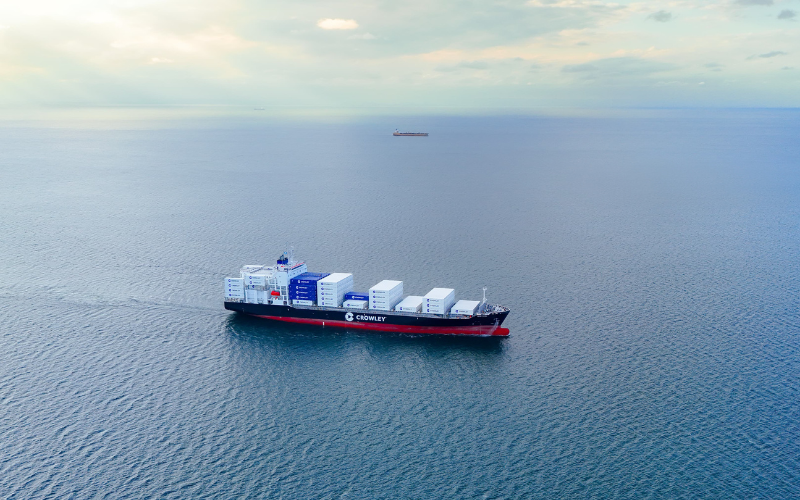
The second half of 2026 is expected to remain a period of significant developments in the global sea freight market.
Container demand, freight rates, port conditions, fuel prices and vessel capacity will continue to influence one another. UN Trade and Development expects global trade to continue growing in the second half of 2026, although the pace and scale of growth remain uncertain due to geopolitical tensions and changes in trade policies.
This means businesses may find it difficult to build shipping plans around a single fixed freight rate for an extended period. Companies with regular import and export activities should closely monitor rates, vessel schedules and route conditions so they can adjust their plans when necessary.
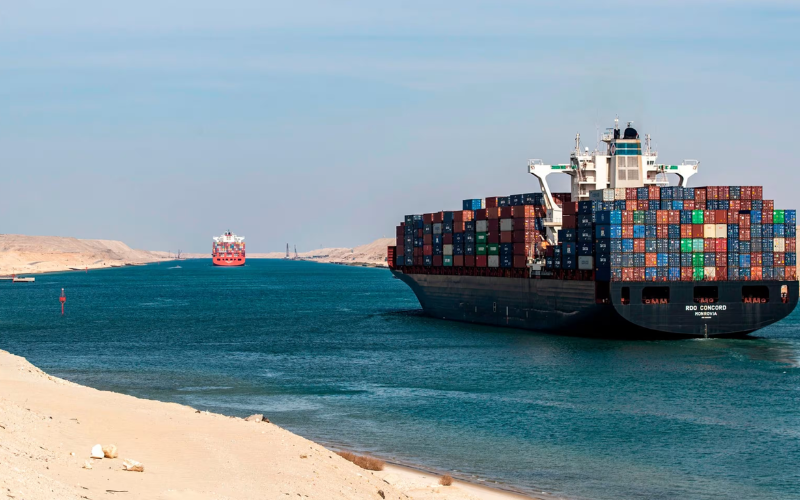
The Suez Canal is one of the most important variables for the sea freight market in the final months of the year. If more shipping lines continue to restore services through Suez, transit times on some routes could be shortened and vessel utilization could improve.
Conversely, if security conditions in the Red Sea deteriorate and shipping lines have to restrict operations in the area, vessels may continue to divert around the Cape of Good Hope. This could extend transit times, increase fuel consumption and put additional pressure on transportation costs. Therefore, the restoration of several services in August should not yet be considered a definite sign that the entire Suez route has returned to normal operations.
For import and export businesses, fluctuations in sea freight can directly affect product costs, delivery times and inventory planning. Instead of simply looking for the lowest freight rate, businesses should consider vessel schedules, estimated transit times, route reliability, surcharges and the level of support available when unexpected issues arise.
An experienced logistics provider can help businesses compare routes, select suitable vessel schedules, review related costs and monitor shipments throughout the transportation process. When the market remains volatile, preparing alternative plans early can help businesses minimize unexpected changes in costs and delivery schedules.
VDM Forwarder provides logistics solutions to support businesses with sea freight operations, from route and vessel schedule consultation to booking, customs clearance and cargo delivery arrangements. In a market where freight rates, operating schedules and international shipping routes can change according to market conditions, VDM Forwarder helps businesses evaluate suitable options based on cargo characteristics, delivery requirements and transportation budgets.
For import and export container shipments, choosing the right route and vessel schedule can directly affect transportation costs and delivery timelines. VDM Forwarder monitors sea freight market developments and supports businesses in evaluating routes, ports and shipping schedules while coordinating related activities throughout the transportation process. This gives businesses a stronger basis for planning shipments proactively and responding to market fluctuations in the second half of 2026.

Receive shipping service price lists and optimal logistics solution advice from our experts.




We are always ready to advise and support you 24/7.