
For businesses that frequently use sea freight, choosing an appropriate logistics solution can also help reduce the amount of capital tied up in goods.
Logistics has a direct impact on transportation costs, cargo transit time, and the amount of capital a business needs to allocate. Therefore, well organized logistics operations can help businesses manage their cash flow more proactively.
Full service logistics refers to a solution in which a business works with one logistics provider to handle or coordinate multiple operations, such as transportation, warehousing, cargo handling, customs clearance, and other related services depending on specific requirements.
Instead of working with multiple service providers, businesses can manage their logistics through a single point of contact, making the transportation process easier to monitor and coordinate.
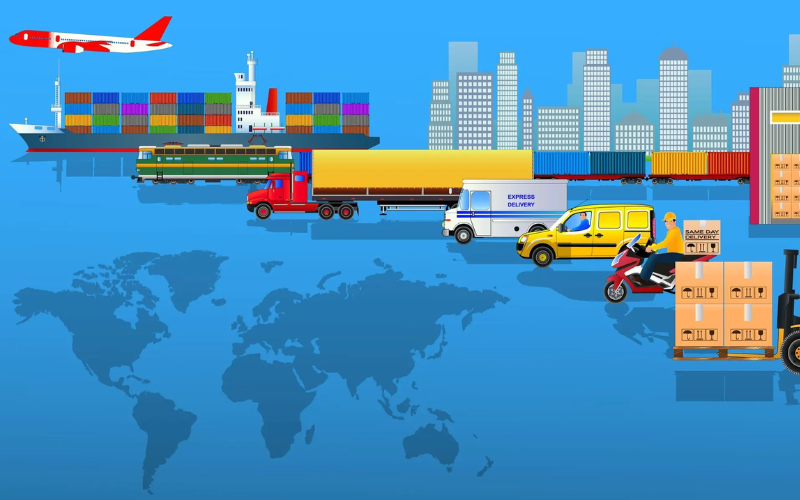
Depending on the shipment, full service logistics may include inland transportation, sea freight, customs clearance, document processing, port handling, warehousing, and final delivery.
Connecting these operations allows businesses to plan costs more effectively and monitor the progress of the entire shipment.
Logistics costs and transportation time both affect the amount of capital a business needs to spend before recovering revenue from its goods. If cargo remains in storage or transit longer than expected, capital may remain tied up in the supply chain for an extended period.
Therefore, effective logistics management can help businesses gain greater control over costs and the timing of capital utilization.
When businesses manage multiple logistics operations themselves, they need to monitor transportation, documentation, warehousing, and related costs at the same time. If these activities are not well coordinated, several issues can affect cash flow:
Therefore, businesses should evaluate logistics based on the total cost and time of the entire process rather than focusing solely on the initial freight rate.
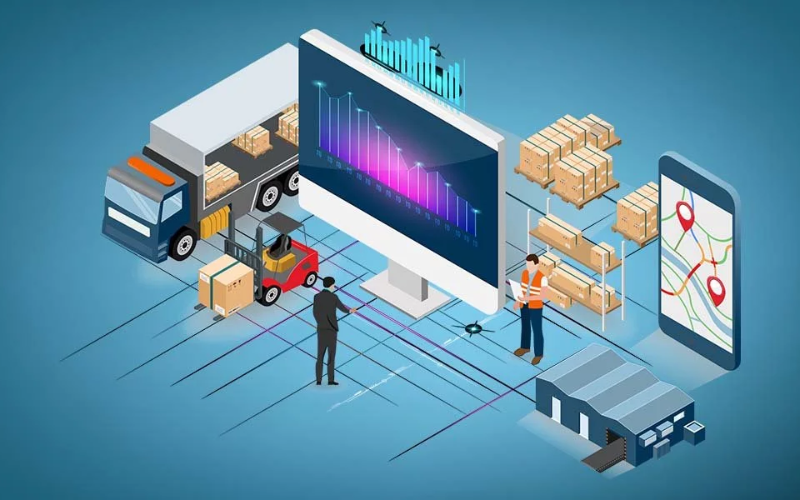
To optimize cash flow, businesses need to manage costs, time, and transportation progress simultaneously. Full service logistics can support this goal by connecting multiple operations within a single coordinated plan.
When inland transportation, sea freight, cargo handling, and related services are coordinated within the same process, businesses can monitor the total cost of each shipment more effectively.
For example, for an export container, planning the entire process from cargo pickup to port delivery allows businesses to estimate the overall budget more accurately instead of considering only the ocean freight cost.
Businesses need to consider both transportation costs and delivery time. For goods with flexible delivery schedules, sea freight is often suitable for large shipments or containerized cargo.
For urgent shipments, businesses may consider faster transportation methods despite their higher costs. The decision should be based on the actual requirements of each shipment and the company's financial capacity.
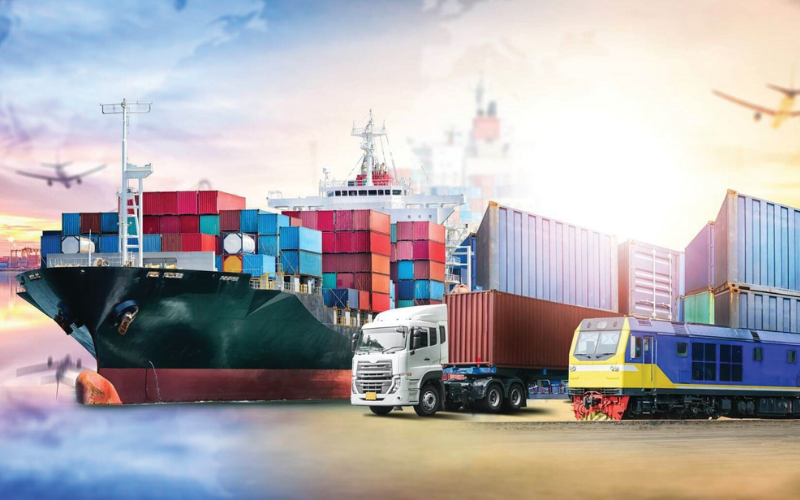
One effective way to manage cash flow is to establish a logistics budget before the shipment begins. Businesses should identify key expenses such as freight costs, handling fees, inland transportation, warehousing, and other related service charges for each shipment.
With full service logistics, businesses can request a detailed quotation that separates different cost categories. This allows the finance department to prepare a more accurate budget, compare costs between shipments, and identify unusual additional charges.
Full service logistics is suitable for businesses looking to reduce their management workload while gaining better control over the entire transportation process. Key benefits include:
These benefits give businesses a clearer view of the costs and time required for each shipment.

Choosing the right logistics provider can help businesses manage costs and transportation schedules more effectively. Therefore, businesses should evaluate both the scope of services and how the provider manages shipments.
Businesses should request quotations that clearly specify the main costs and the services included. A transparent quotation helps businesses distinguish transportation costs, service fees, and charges that may arise depending on actual operating conditions.
In addition to the price, businesses should also consider how the logistics provider explains each charge and whether it can provide timely updates when transportation schedules or operating conditions change. With full service logistics, transparency is particularly important because the total cost may involve multiple logistics operations.
For containerized cargo, experience in sea freight, documentation, and port handling should be considered. A logistics provider with a clear operating process can help businesses reduce the need to coordinate multiple logistics activities themselves.
Overall, optimizing cash flow through full service logistics requires businesses to manage both costs and transportation time. For businesses that frequently use sea freight, choosing a suitable logistics provider can help create a more structured logistics process and support more proactive cash flow planning.

Businesses should first identify their specific requirements, such as inland transportation, sea freight, customs clearance, documentation, warehousing, or final delivery, and then determine whether the logistics provider can meet those requirements.
For businesses that regularly handle international shipments by sea, it is advisable to prioritize providers with clear coordination processes and the ability to track shipments throughout the entire journey. When different operations are well connected, businesses can reduce internal processing time and gain a better basis for planning cash flow for each order. For businesses that frequently transport containers, experience in handling sea freight and coordinating multiple logistics operations should also be considered.
Shipment tracking is an important factor when choosing a full service logistics provider. Businesses should be able to know the current status of their shipments, the estimated timing of key milestones, and the person responsible for handling changes or unexpected issues.
Shipment visibility allows businesses to plan warehouse operations, production, and customer deliveries more proactively. It is also one of the factors considered by the World Bank when evaluating logistics performance, alongside time, connectivity, and other transportation related factors.
In international trade, controlling transportation costs and shipment schedules has a direct impact on a company's capital planning. VDM Forwarder provides full service logistics solutions that help businesses coordinate operations ranging from inland transportation, sea freight, and container transportation to cargo handling and related procedures, creating a more consistent and manageable shipment process.
Integrating multiple logistics operations into a single process allows businesses to plan costs more proactively, monitor shipment progress, and reduce additional expenses caused by poor coordination. With experience in handling import and export cargo, VDM Forwarder supports businesses in selecting suitable transportation solutions, helping them control logistics costs and use their capital more efficiently.

Receive shipping service price lists and optimal logistics solution advice from our experts.




We are always ready to advise and support you 24/7.