
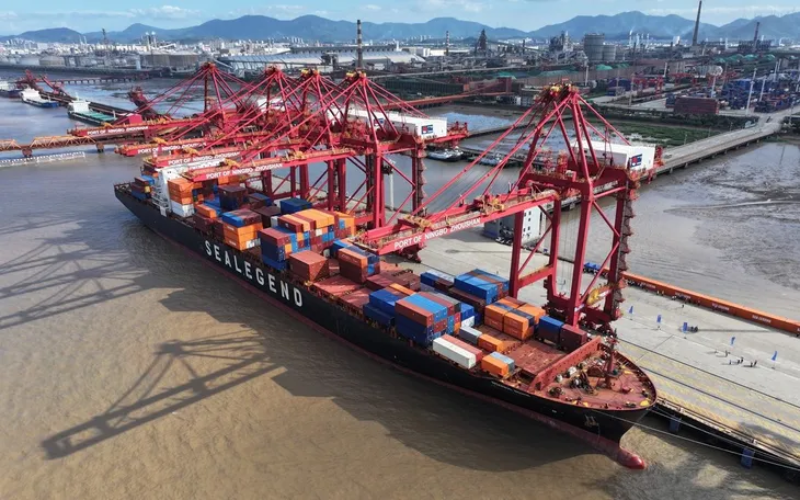
Last year, the logistics market witnessed a container voyage operated by Sea Legend Shipping using a vessel named the Istanbul Bridge. This ship set sail from the Ningbo-Zhoushan port cluster in China and arrived at the Port of Felixstowe in the United Kingdom via the Northern Sea Route. The transit went relatively smoothly, with the entire maritime journey completed in approximately 20 days. However, immediately after that event, the shipping line issued no further announcements regarding subsequent vessel schedules for that year's ice-melt season. This silence led most experts and import-export businesses to conclude that the plan to operate Express vessels via the Arctic was merely a practical test rather than a commercially viable service.
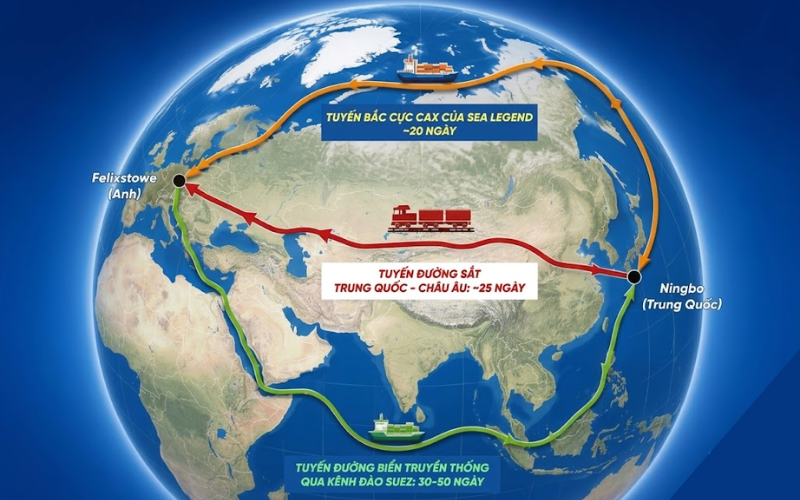
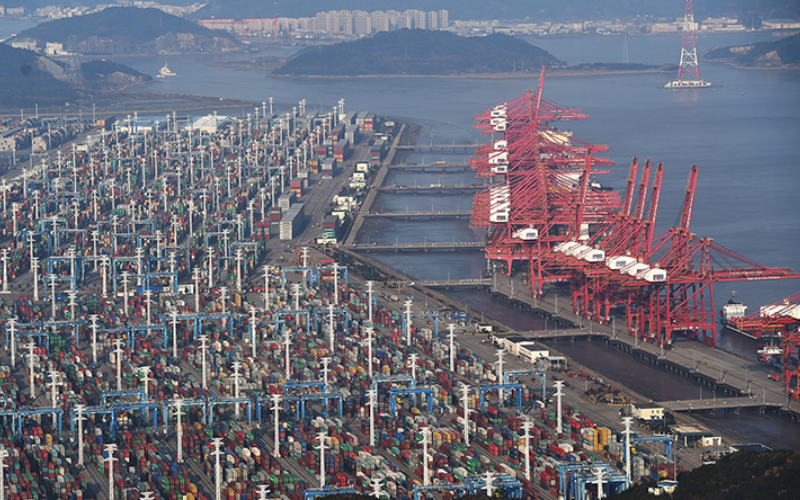
Entering this year's shipping season, the plan has returned with a larger scale and a much clearer organizational structure. According to the newly updated schedule, the carrier has decided to deploy a container service string consisting of 8 scheduled weekly voyages. The operating window for this maritime route is projected to run from August through the end of October 2026. Freight from various regions will be gathered and consolidated at the Port of Ningbo-Zhoushan before heading directly toward major ports in Northern Europe.
To serve this series of 8 periodic voyages, a fleet of 7 specialized container vessels with capacities ranging from 1,528 TEU to 4,890 TEU has been mobilized. The average ocean transit time to Europe for each vessel is expected to fall between 20 and 22 days. This is an impressive figure when compared to traditional maritime routes currently facing numerous safety hazards at major straits. Transitioning from a single trial voyage into a seasonal liner service with fixed schedules demonstrates a major effort by the participating parties to find alternative logistics solutions.
The Northern Sea Route is designed as a transit corridor aimed directly at commodity groups with strict delivery timelines. Thanks to its ability to significantly cut down on sailing days, this route has become a preferred choice for high-tech industrial goods from China and the East Asian region. Products such as electric vehicles, energy batteries, components, and photovoltaic equipment urgently require these faster transport paths to meet assembly schedules at European factories.
Alongside industrial goods, the e-commerce sector—characterized by the need for rapid capital turnover and urgent deliveries—also finds benefits in this route. Refrigerated containers (reefers) carrying food, agricultural products, or other standard commodities can leverage the shorter transit times to preserve product quality upon arriving at the destination port.
Despite its clear advantages in terms of time, operating container vessels through icy waters remains a complex economic puzzle accompanied by high risks for international shipping lines.
The biggest barrier to the Northern Sea Route is its absolute dependence on natural conditions. The operational season for container vessels here can only last a few short months during the summer when the sea ice has partially melted. When winter arrives, navigation becomes virtually impossible for conventional transport ships. Additionally, shifting icebergs and extreme polar weather conditions remain constant threats, requiring forecasting systems to operate continuously with the highest degree of accuracy.
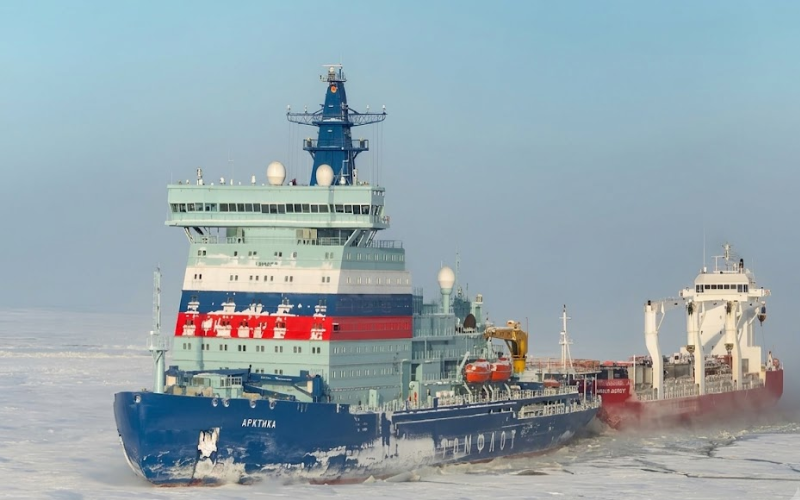
The issue of ocean logistics costs on this route is also a significant obstacle. Because they operate in a unique environment, shipping lines must pay international marine insurance premiums that are much higher than standard rates. The cost of chartering vessels like nuclear-powered icebreakers for navigation, along with emergency response plans in remote waters, further drives up freight rates.
Furthermore, the container ships permitted to operate on the Arctic route today all have capacities under 5,000 TEU. This scale is only about one-fourth to one-fifth the size of the mega-container ships currently running the Asia-Europe route via the Suez Canal. The inability to deploy mega-vessels diminishes the economic benefits of scale, making it difficult for per-container freight rates to compete head-to-head with traditional routes on pure cost metrics alone.
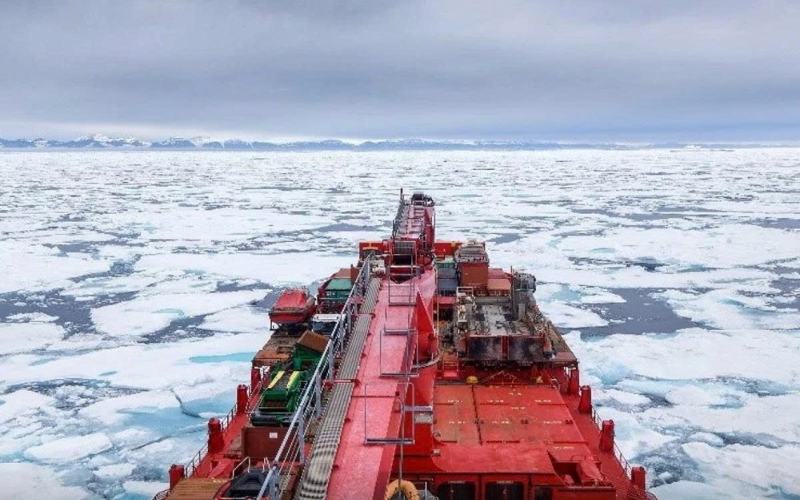
Precisely due to safety concerns and environmental protection commitments, major players in the international ocean freight industry, such as the carrier MSC, maintain a firm stance against using the path through the Arctic. Running container vessels through this sensitive marine environment raises serious alarms about the risk of ecological pollution in the polar region should oil spills or groundings occur. The lack of participation from top-tier shipping conglomerates indicates that the Arctic route still needs more time to prove its long-term viability.
The outcomes of the 8 container voyages operating this year will serve as a crucial benchmark for evaluating the future of this route. If this string of voyages succeeds with absolute safety, it will be a major step forward for the commercialization of the northern shipping lane. However, the question of whether the Arctic can become a true shipping corridor or will remain just a seasonal niche option still awaits a market answer in the years to come.
Against the backdrop of a global logistics market filled with constant fluctuations and emerging transport routes, import-export businesses always need an intermediate partner with deep technical expertise. VDM Forwarder is proud to be a comprehensive logistics provider, constantly tracking the latest trends in the international shipping industry to deliver optimal solutions for our clients.
We understand that every shipment from your business is tied to strict time and cost commitments. With an extensive network of forwarder partners at major sea ports worldwide, including key cargo transit hubs in China and Europe, VDM Forwarder is always ready to establish flexible transport paths. We assist shippers in managing supply chain risks, optimizing ocean logistics costs, and completing customs procedures in the swiftest manner. Contact us today to receive accurate container vessel schedule consultations for your business's import and export shipments.

Receive shipping service price lists and optimal logistics solution advice from our experts.




We are always ready to advise and support you 24/7.