
The Office of the United States Trade Representative (USTR) launched this investigation on March 11, 2026, under Section 301 of the Trade Act of 1974. The United States aims to determine whether government policies and subsidies in other economies contribute to production levels that exceed market demand.
The 16 economies under investigation include Vietnam, China, South Korea, Japan, the European Union, Mexico, India, Taiwan, Thailand, Malaysia, Indonesia, Singapore, Cambodia, Bangladesh, Switzerland, and Norway.
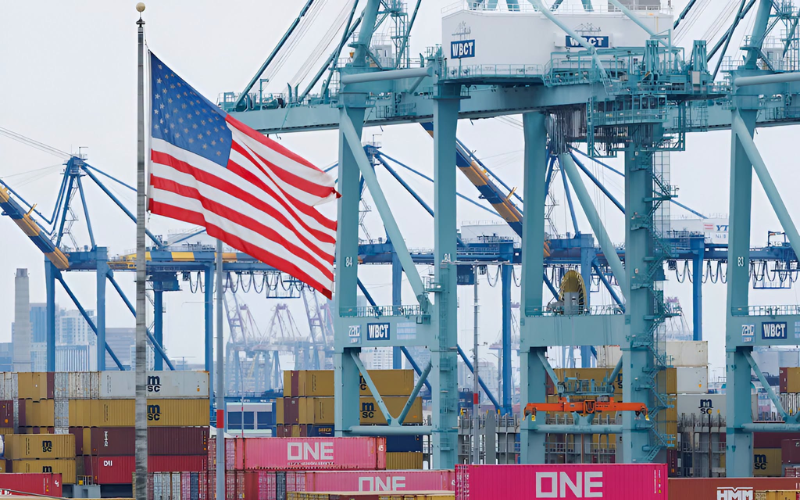
Approximately 20 manufacturing industries are within the scope of the investigation, including steel, aluminum, automobiles, batteries, solar panels, semiconductors, electronics, shipbuilding, and chemicals. Some U.S. law firms have reported that the number is 21 industries. International media have also reported that the USTR specifically mentioned garment and footwear manufacturing activities in Vietnam and China. At present, no specific product list has been released. Therefore, businesses cannot yet determine exactly which individual products may be affected by the investigation.

Under the law, the investigation deadline is March 11, 2027. Any measures must be implemented within 30 days after the investigation concludes. Greer has not yet disclosed which economies will face additional tariffs or the specific tariff rates.
Therefore, regarding U.S. Section 301 tariffs, the end of December is the first key milestone to watch. February 28, 2027, is the second milestone, when the separate intellectual property investigation is expected to reach its conclusion.
Since July 24, Vietnamese goods not covered by exemptions, accounting for approximately 37% of export value to the United States, have been subject to an additional 12.5% Section 301 tariff related to forced labor. This tariff is added on top of the Most-Favored-Nation (MFN) tariff.
For example, garments currently subject to a 16.5% MFN tariff face a combined tariff rate of 29%. If additional tariffs targeting excess capacity are introduced, the total tariff burden could increase further. Vietnam currently does not have an agreed tariff ceiling comparable to South Korea's 15% rate. Consequently, U.S. Section 301 tariffs could accumulate across multiple layers, creating additional challenges for businesses calculating the landed cost of goods shipped to the United States.
Vietnam issued Decree No. 292/2026 on July 22, prohibiting the importation of goods produced using forced labor. This decree provides a basis for Vietnam to request that the United States reduce the relevant Section 301 tariff from 12.5% to 10%. However, any reduction would still require an official decision from the USTR. Vietnam's Ministry of Industry and Trade has stated that it will continue negotiations with the U.S. side.
Regarding China, Bloomberg previously reported that the United States was considering an additional 7.5% tariff.
The U.S.-China trade truce is scheduled to expire on January 10, 2027.
Together with the upcoming conclusion of the U.S. Section 301 excess capacity investigation, these developments could create further uncertainty for businesses shipping goods to the United States.
Vietnam's Ministry of Industry and Trade maintains that the country does not have export subsidy policies that create excess production capacity for exports to the United States. Meanwhile, the separate USTR Section 301 investigation into intellectual property protection in Vietnam has been extended by another three months, with findings expected no later than February 28, 2027.
This means Vietnamese businesses are monitoring two separate U.S. investigations simultaneously: one concerning excess capacity and the other concerning intellectual property protection.
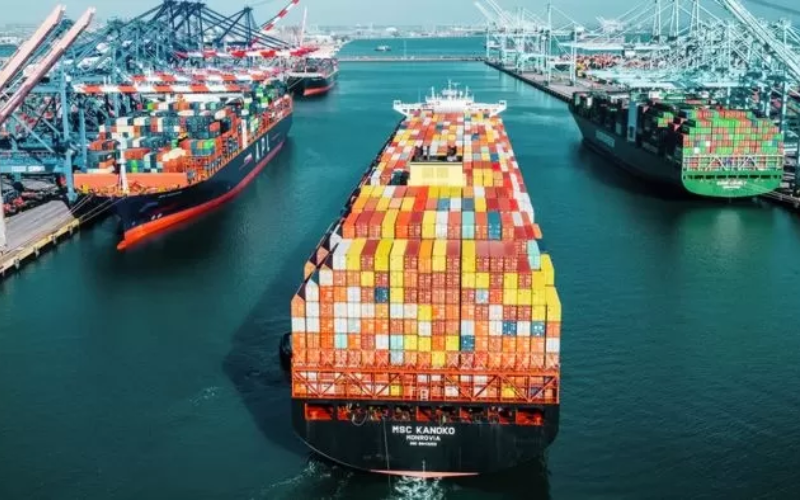
The findings of the U.S. Section 301 investigation are expected before the end of the year, potentially in late December. This coincides with the period when exporters are accelerating shipments to ensure their cargo reaches its destination before Lunar New Year. If new tariff announcements emerge, many businesses may attempt to secure vessel space simultaneously to ensure their goods arrive at U.S. ports before the new tariffs take effect. This could lead to cargo congestion along Trans-Pacific shipping routes, tighter vessel capacity, and greater fluctuations in ocean freight rates and sailing schedules.
For importers and exporters, early shipping arrangements are therefore essential. Waiting until the last minute could increase the risk of booking difficulties, higher freight costs, and shipment delays.
The United States has not yet published a specific list of affected products, so businesses do not need to overreact. Nevertheless, early preparation can help minimize risks as new developments regarding U.S. Section 301 tariffs emerge.
Businesses should first review their products' HS codes against the industries currently under investigation. Next, review DDP (Delivered Duty Paid) terms and price adjustment clauses in contracts with U.S. customers. Under DDP terms, the seller is responsible for import duties and taxes in the United States. If tariffs increase and the contract does not include a price adjustment clause, the additional costs could directly reduce shipment profitability. Once the correct HS codes have been identified, businesses should also prepare complete shipping and customs documentation to ensure accurate declarations and avoid customs clearance delays.
The pre-Lunar New Year period is traditionally a peak season when vessels bound for the United States can quickly become fully booked.
Businesses should arrange bookings early for December and January sailings. They should also coordinate with their freight forwarders regarding vessel schedules, cargo cut-off dates, and alternative arrangements in case of schedule changes or vessel rollovers.
Businesses may consider using bonded warehouses or Foreign-Trade Zones (FTZs) in the United States to gain greater flexibility over customs clearance timing. Goods can be stored before entering the domestic market, with applicable duties generally assessed when the goods are withdrawn for domestic consumption. This arrangement can give cargo owners additional time to monitor developments and make more informed decisions while waiting for clearer information about U.S. Section 301 tariff rates.
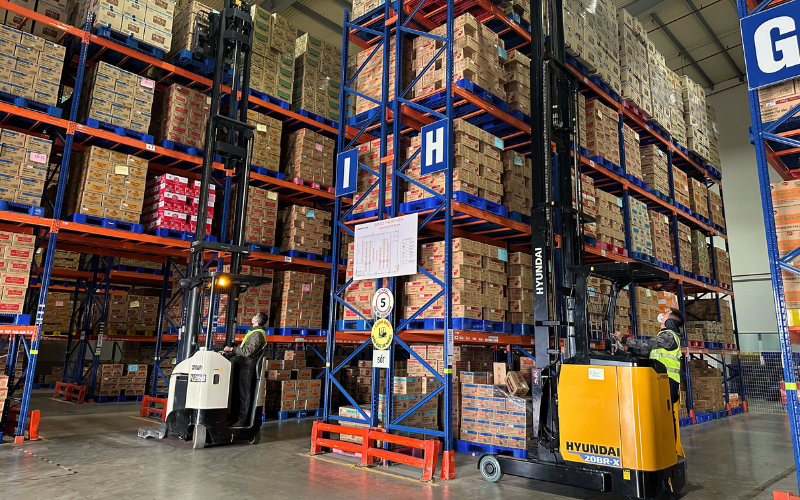
Every shipment to the United States has specific requirements regarding delivery timelines, destination ports, and payment terms. VDM Forwarder works directly with businesses to understand each shipment's characteristics and recommend suitable transportation solutions. As the U.S. Section 301 tariff investigation approaches its conclusion, VDM monitors USTR announcements and developments to keep customers informed in a timely manner. From arranging vessel schedules and securing space for year-end sailings to coordinating cargo handling and delivery, every operation is carried out according to the agreed plan. This helps businesses maintain better visibility and control during the busy pre-Lunar New Year period.
Throughout the shipping process, VDM Forwarder maintains regular communication with customers and relevant partners to provide shipment updates, receive adjustment requests, and address any unexpected issues. Businesses can directly discuss delivery schedules, documentation requirements, and specific considerations for individual shipping routes.
This approach helps minimize handling errors and reduce the risk of disruptions to business operations. If you are preparing shipments for the year-end peak season, contact VDM Forwarder for a tailored shipping consultation based on your cargo requirements.
References: Bloomberg, USTR, Federal Register, VnExpress, VCCI, and Vietnam's Ministry of Industry and Trade.

Receive shipping service price lists and optimal logistics solution advice from our experts.




We are always ready to advise and support you 24/7.