
ETD is the estimated time the vessel departs from the port of loading, and ETA is the estimated time it arrives at the destination port. These two milestones help businesses plan sales, production, or cargo pickup. However, both are estimates published by the shipping line, and they can change depending on operating schedules, weather, or port conditions.
In addition, an ETD that is on time only tells you that the vessel left port on time. It does not tell you whether your cargo has complete documents, or whether it has been handled according to the proper process. A shipment can sit on a vessel that is sailing on schedule and still run into trouble with paperwork or procedures at the destination port. When businesses look only at ETD and ETA, they can feel reassured while the other steps have not been checked.
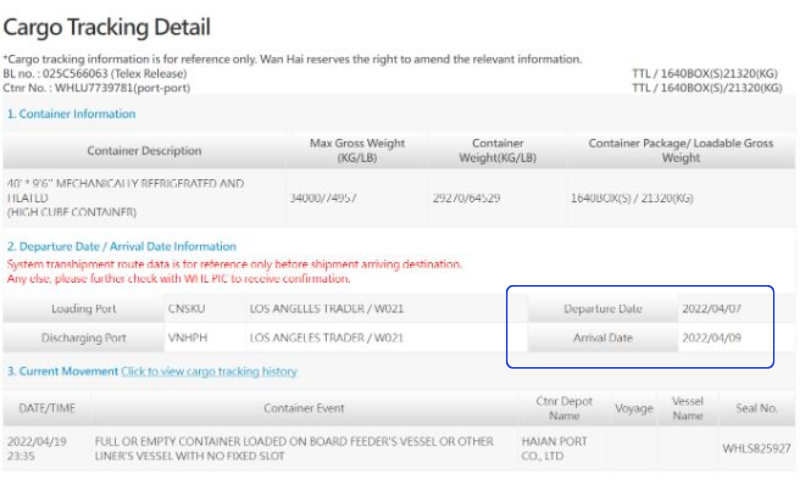
Problems with a shipment usually appear in the steps that customers rarely see. They can be divided into two groups: problems before the vessel sails and problems after the vessel sails.
The booking is confirmed but the shipping instructions (SI) are not complete. SI is the information used to issue the bill of lading, and if it is sent late or contains errors, the bill of lading may not be issued in time. The cargo has been packed but the documents do not match, for example the quantity, weight, or cargo description is inconsistent across documents and has to be corrected. The container has been gated in at the port but the document cut off has been missed, meaning the deadline to submit documents to the shipping line for that voyage has passed. In these cases, the vessel still sails on its ETD, but the shipment may be delayed, moved to another voyage, or require extra procedures. With container transport services, the time the container is gated in and the document deadline need to be arranged together so they do not fall out of step.

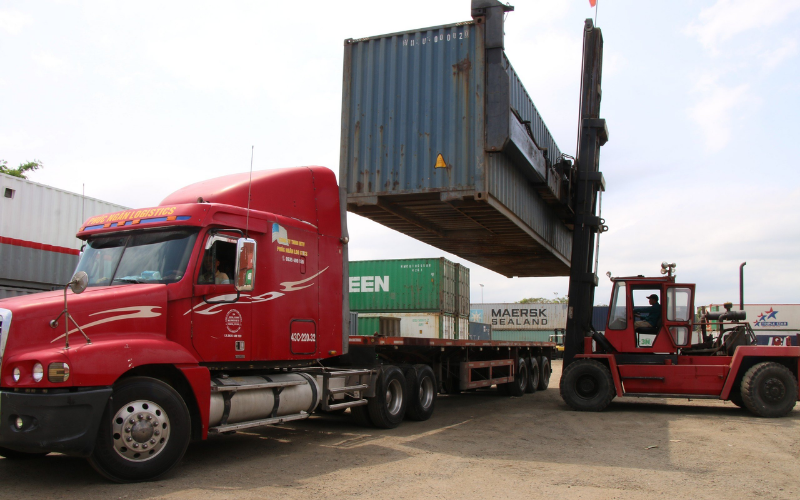
The vessel sails on its ETD but the ETA changes, throwing off the plan for cargo pickup and truck arrangements. The cargo arrives at port but the release procedures cannot be completed, for example the delivery order (D/O) is not yet available or customs clearance is not finished, so the documents for customs declaration services need to be prepared early. The ETA is already known but the trucking at the destination end has not been arranged, so the container has to wait for a truck. The cargo stays at port for several extra days because one document is missing or one local charge has not been settled. These extra days usually bring container demurrage and storage fees.
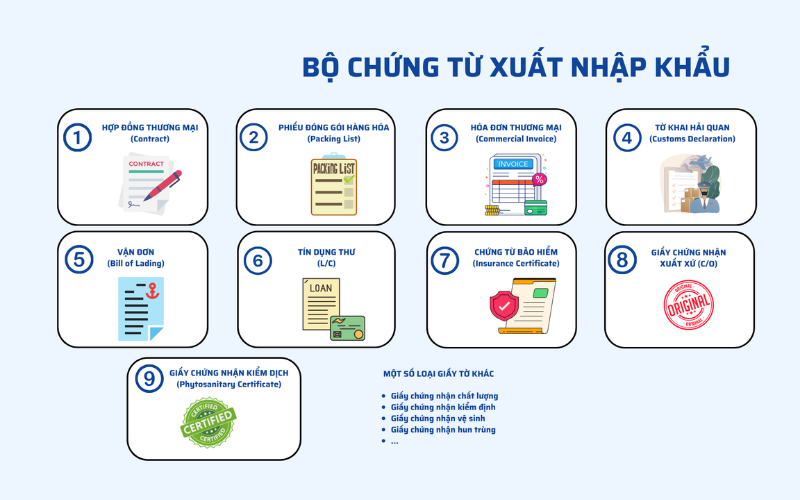
When tracking import export shipments, businesses should look at three groups of information instead of only ETD and ETA.
The document set includes the invoice, packing list, bill of lading, and other papers depending on the type of goods. The documents need to match each other and match the actual cargo. Businesses should check them early, before the cut off, so there is still time to fix any errors.
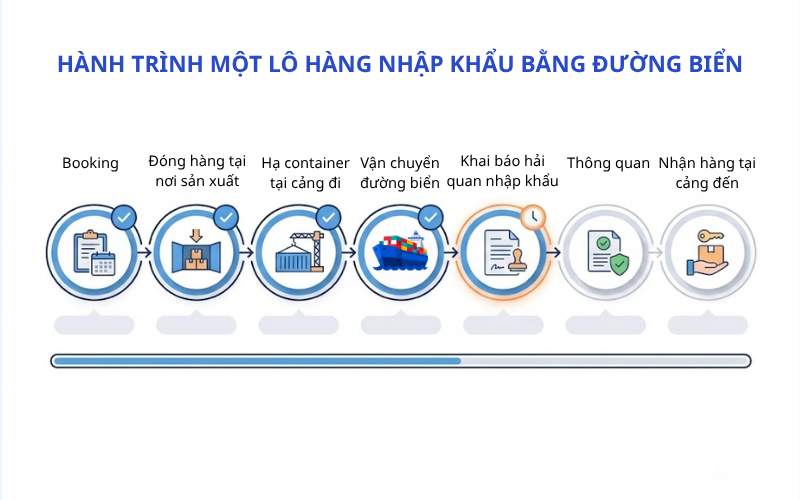
A shipment goes through many steps such as booking, stuffing, gate in, transport, customs declaration, clearance, and cargo release. Businesses need to know which step the shipment is at and which steps are complete, rather than only knowing whether the vessel has left port.
Businesses should identify whether any deadline is coming up, such as the cut off, the deadline to obtain the D/O, or the deadline to pick up the container before charges apply. If something comes up that needs a quick decision from the customer, such as changing the port, accepting an extra fee, or supplying additional documents, that information needs to reach the customer early. When something changes, the sooner it is spotted and handled, the less cost and time are affected.
In a business with no dedicated logistics or import export team, one person usually has to handle many tasks at once and can easily miss a deadline. When a deadline is missed, the consequences often show up only after the cargo reaches port and costs have already arisen. Sometimes the problem is not whether the cargo ships, but whether it ships through the right process and arrives as planned.
When choosing a logistics provider, businesses should ask what the provider will report beyond ETD and ETA. A provider that works carefully should tell you the document status, upcoming deadlines, and give early warning when something changes. This helps businesses follow tracking import export shipments more clearly without having to check every step themselves.
With more than 15 years of experience in sea freight, domestic transport, container shipping, and customs declaration services, VDM Forwarder follows customers’ shipments step by step, from booking, documents, transport, and customs declaration through to delivery. When a vessel schedule changes, a document is missing, or an important deadline is approaching, the VDM Forwarder team notifies the customer so they can choose a course of action together.
If your business has no dedicated import export team or wants someone to follow each shipment closely, you can contact VDM Forwarder for a consultation and a quote through the hotline or the company’s official contact channels.

Receive shipping service price lists and optimal logistics solution advice from our experts.




We are always ready to advise and support you 24/7.