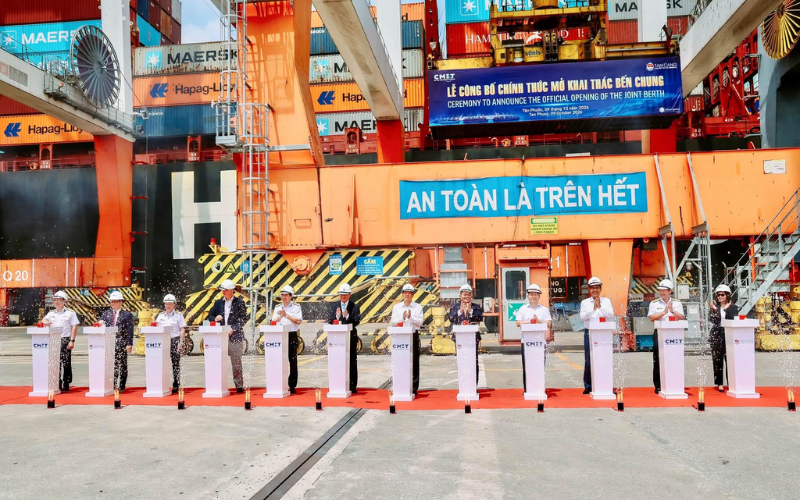
The CMIT TCTT joint berth is the section of quay located between the CMIT and TCTT ports, connected so that both sides can operate it together. The two ports did not build a completely new quay. They used existing infrastructure and joined it into a single quay about 1,200 m long. According to Dau Tu Newspaper, the link covers infrastructure, resources, and the way the two port companies operate.
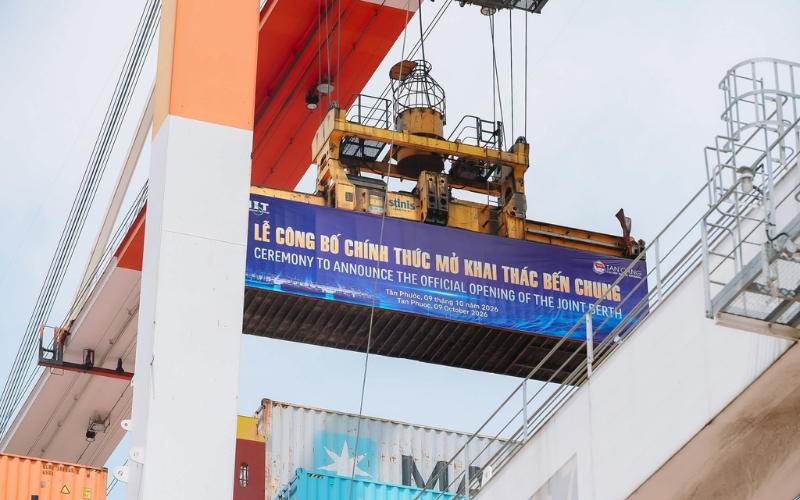
The two ports signed a memorandum of cooperation to form the joint berth and opened a connecting gate in previous years. This announcement is the next step, as the joint berth is officially put into commercial operation.
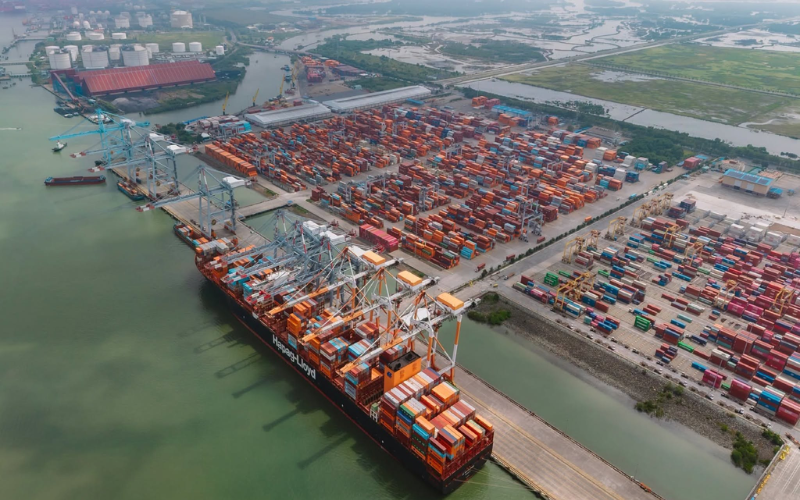
Previously, each port had a quay of about 600 m and could receive only one mother vessel of about 367 m at a time. According to Tuoi Tre, the two ports could handle at most 2 mother vessels at once, and the remaining quay space was sometimes idle or used only for barges. With the joint berth, the two ports can receive 3 large mother vessels at the same time. The two sides can also coordinate more easily when planning vessel schedules and assigning berths, equipment, and manpower, especially when schedules change. With a more flexible quay, shipping lines have more choices when arranging calls, while businesses need to be clear about the schedule of the sea freight service they use.
According to the archive photo published with Tuoi Tre’s article, the vessel AIN SNAN EXPRESS of Hapag Lloyd is working cargo at the CMIT TCTT joint berth. This image shows that the joint berth is already in real operation and is no longer at the stage of a cooperation agreement.
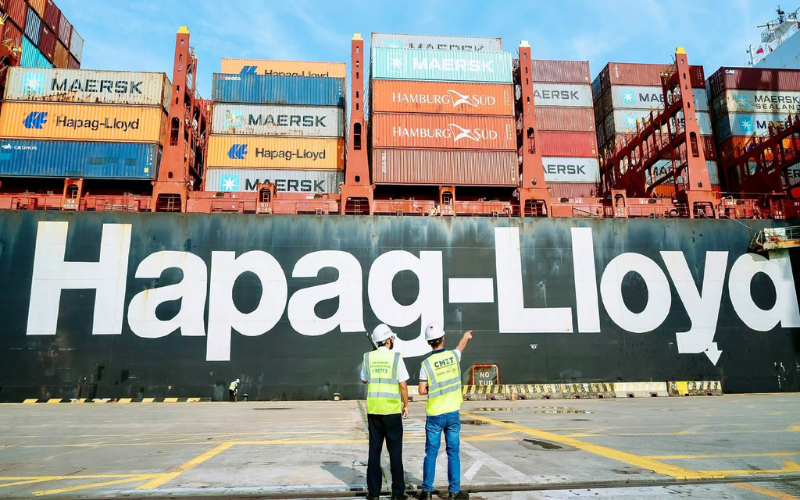
According to the announcement, the CMIT TCTT joint berth can add around 30 to 40% in capacity, equal to 400,000 to 500,000 TEU per year for each port. Counting both berths together, the system gains room for nearly 900,000 TEU per year. TEU is a unit based on a 20 foot container, commonly used to measure port throughput.
The 30 to 40% figure is the level that can be reached under the operating plan, not throughput that has already been recorded. Actual results depend on the number of vessel calls, cargo volume, and how the two ports coordinate in the coming months. Readers should follow the throughput figures published by the two ports later on.
Container fleets are getting larger, while shipping lines need high productivity and short vessel turnaround time. The CMIT TCTT joint berth was formed to make more flexible use of existing resources to meet that need. In the earlier connection phase, VIMC reported that shipping lines saw less waiting and faster cargo handling.
For import export businesses, a less congested quay may mean vessels wait less for berths and schedules are more stable. However, there is currently no information on whether freight rates or surcharges will change under the new model, so businesses should ask the shipping line or freight forwarder directly.
Cai Mep Thi Vai is a deep water port cluster that receives large container vessels on many international routes. With the CMIT TCTT joint berth in commercial operation, the cluster can handle more mother vessels without extending the quay from scratch. Earlier port industry articles also described this model as a stepping stone toward an open port mechanism for the whole cluster.
According to HTV, during the commercial operation phase, CMIT and TCTT will continue to coordinate operations more closely, apply technology, and refine operating procedures. The two ports remain independent companies, so joint coordination is something to watch when assessing long term effectiveness.
Businesses with cargo moving through Cai Mep Thi Vai should ask the shipping line about the port of call and the berth for each voyage, since the berth where a vessel works cargo may change. They should closely track vessel schedules and cut off times, and prepare complete documents before the vessel arrives to avoid container demurrage and storage fees. For the CMIT TCTT joint berth, information on yards, pickup hours, and cargo release procedures should be updated regularly from the shipping line or freight forwarder. Businesses should also work early with a provider of customs brokerage and vessel chartering support to confirm the port of call, the berth, and the cut off time for each voyage.
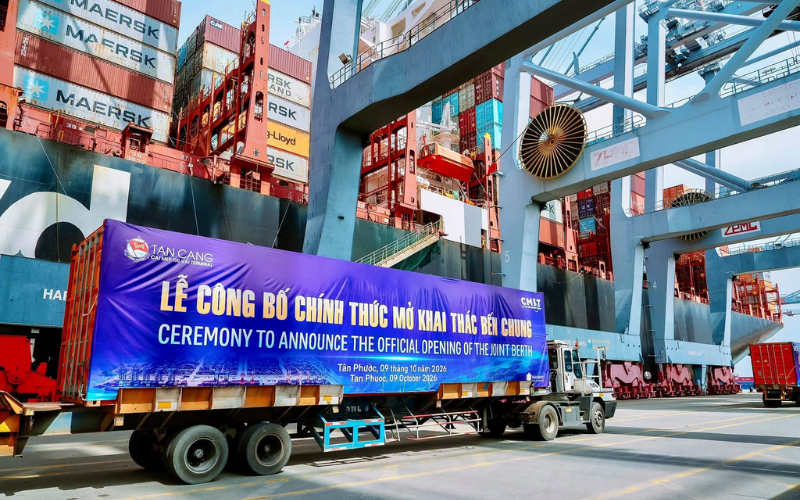
With more than 15 years of experience in sea freight, domestic transport, container shipping, and customs declaration services, VDM Forwarder continuously follows changes at major port clusters, including Cai Mep Thi Vai, to keep customers informed in a timely way. Following the new information on the CMIT TCTT joint berth, the VDM Forwarder team helps check vessel schedules, prepare documents, and coordinate transport so shipments stay on schedule and storage costs are kept down.
If your business needs advice on a container shipping plan through the Cai Mep Thi Vai port cluster, you can contact VDM Forwarder

Receive shipping service price lists and optimal logistics solution advice from our experts.




We are always ready to advise and support you 24/7.