
Electronic customs clearance systems do not mandate document inspections arbitrarily. Every channel assignment relies on automated data processing algorithms combined with multiple quantitative criteria concerning business history, commodity characteristics, and filing records. Whenever any factor exceeds predefined safety thresholds, the system immediately prompts custom officials to intervene and inspect hard-copy documents.
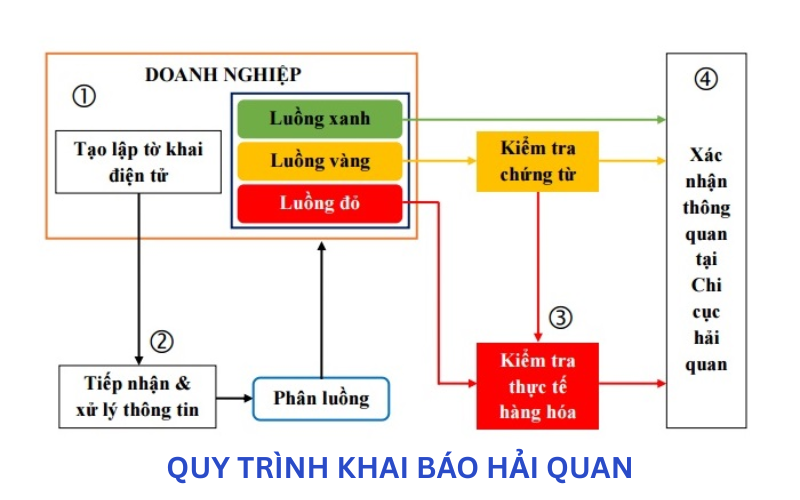
The primary and most common group of causes stems from oversights during document preparation by import-export teams.
Even minor discrepancies among documents within the same dossier suffice to trigger system inspection alerts. Common errors include name mismatches between commercial invoices and packing lists. Discrepancies between actual quantities or weights compared to foreign trade contracts, as well as misapplied Incoterms delivery conditions, are also frequent triggers. In such instances, receiving officials will request detailed explanations or supplementary documents before granting clearance.
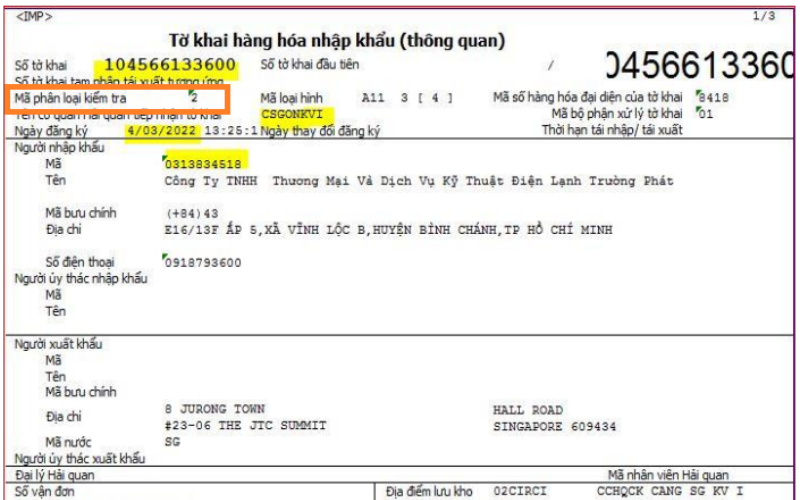
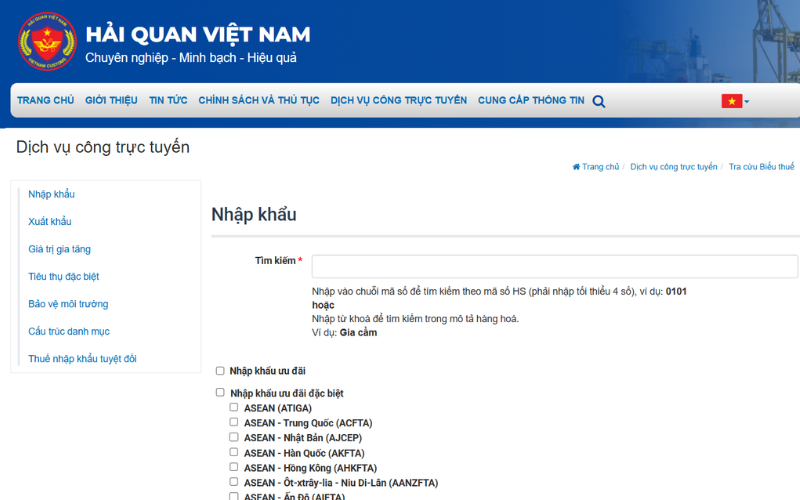
Harmonized System (HS) codes form the foundation for determining duty rates and regulatory policies for each commodity group. A single product may correspond to multiple classification codes with similar characteristics. If a business selects a code with unusually low tax rates relative to product nature, or submits a code completely divergent from past import histories, the system flags a warning. Diverting to document inspection helps authorities verify classification accuracy.
Valuation remains strictly monitored to prevent commercial fraud. If declared cargo value falls significantly below benchmark database values, systems raise authenticity concerns. Substantial price variations compared to similar market shipments or sharp fluctuations against a company’s historical purchase data will cause a custom declaration gets yellow channel result to undergo valuation consultations.

Beyond document mistakes, internal company attributes and national commodity regulations directly dictate clearance results.
Multiple specialized product groups require management by relevant ministries through quality checks, plant or animal quarantine, food safety certifications, or conformity declarations. When businesses submit declarations for these items without attaching full certificates or proving legal import eligibility, systems automatically assign yellow channel status to review legal compliance.
Legal compliance history serves as a key metric in logistics risk management. Newly formed companies lacking historical transaction data on system databases are categorized into higher risk tiers because stable operations have not yet been established. Conversely, businesses with past administrative penalties, valuation errors, incorrect HS code filings, or delayed document submissions face stricter system oversight on subsequent shipments.
During specific periods, regulatory authorities issue directives enhancing scrutiny over high-risk fraud items or sectors requiring trade balance monitoring. During these times, even compliant enterprises may receive yellow channel results following routine sectoral inspection plans.
Receiving a yellow channel result is less concerning than a red channel assignment since physical cargo inspection is not required. However, it still creates delivery timeline pressure if explanatory documents are inaccurate. Businesses should establish strict internal document verification workflows prior to official submission. Self-auditing HS codes using technical catalogues and cross-checking figures between invoices and bills of lading minimizes formal errors. Monitoring specialized regulatory updates helps import-export teams prepare required permits in advance, ensuring swift clearance once paper dossiers are submitted.
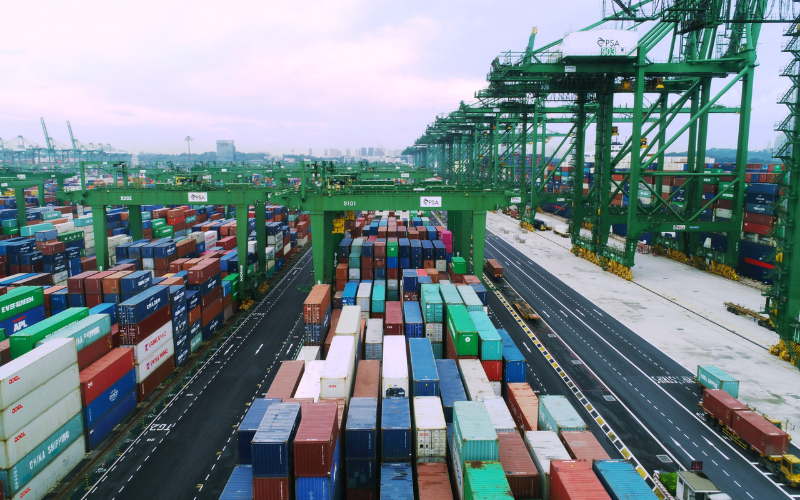
As customs clearance regulations update frequently, partnering with a knowledgeable logistics agent gives businesses a strong advantage. VDM Forwarder takes pride in providing comprehensive cargo handling and freight solutions in Vietnam.
Our experienced team supports clients by reviewing complete commercial document packages prior to official system filings. VDM Forwarder offers precise HS code consulting based on technical specifications, checks specialized inspection requirements, and prepares optimal explanation procedures. Leveraging professionalism and strong seaport network connections, we assist businesses in preventing prolonged custom declaration gets yellow channel delays, optimizing ocean freight logistics costs, and keeping supply chains running smoothly.

Receive shipping service price lists and optimal logistics solution advice from our experts.




We are always ready to advise and support you 24/7.