This strike is considered the largest work stoppage at Dutch seaports in several years. According to FNV Havens, more than 700 port workers have expressed strong support and are prepared to walk off the job simultaneously.
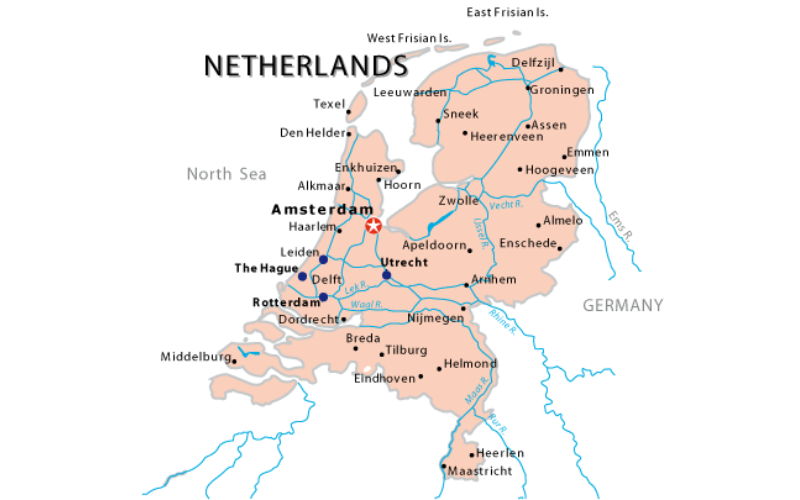
The strike action will take place specifically between 11:15 AM and 7:00 PM local time on September 4, 2026. The affected area encompasses all three of the largest and most vital seaports in the Netherlands: the Port of Rotterdam, the Port of Amsterdam, and the Zeeland port region (including Vlissingen and Terneuzen). The concurrent shutdown of these three gateways for nearly 8 hours will place immense pressure on the flow of cargo moving in and out of the region
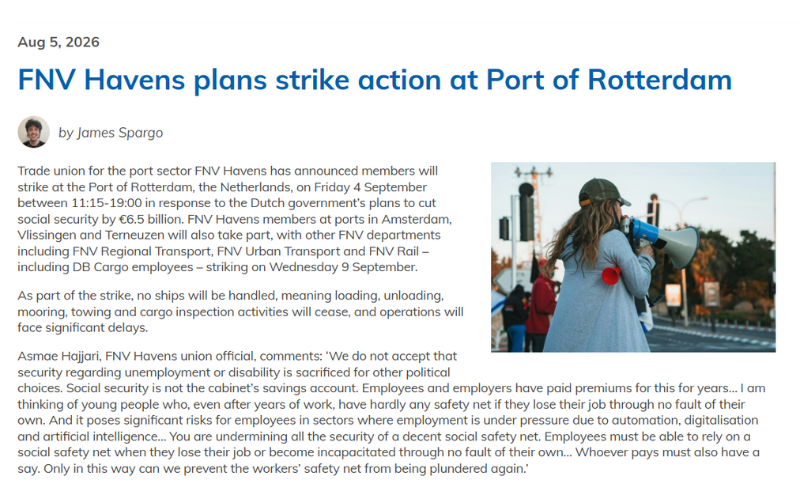
The primary driver behind this large-scale strike stems from workers' strong opposition to government plans aimed at cutting social security spending. Specifically, the government proposes cuts of approximately EUR 6.5 billion in funding for social welfare programs. This core issue prompted port workers to exercise their right to strike in order to pressure the government into reconsidering policies that directly impact their livelihoods and well-being.
FNV Havens also stated that official notifications regarding the strike have been issued to all businesses with relevant collective labor agreements. Specific operational guidelines will be sent to workers one week prior to the action, ensuring a coordinated and widespread walkout.
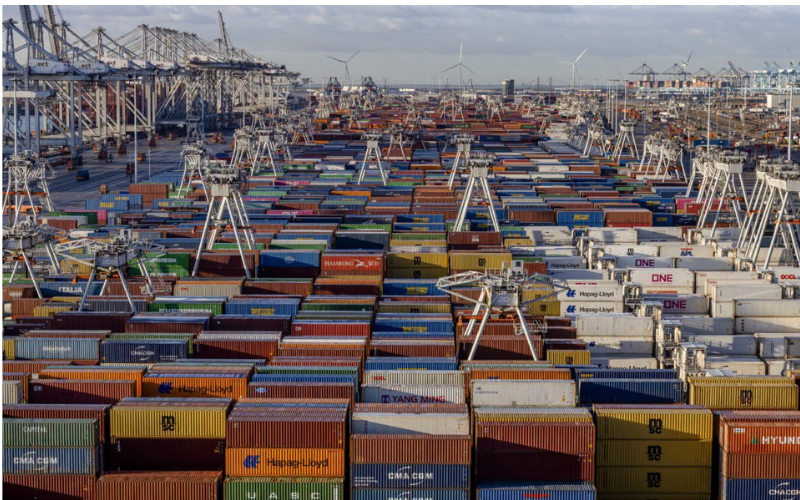
Although the announced work stoppage lasts for under 8 hours, its lingering impact on the logistics network could persist much longer. A single shift shutdown at a port is not merely a brief pause in operations, but a break in a continuous, tightly coupled operational sequence.
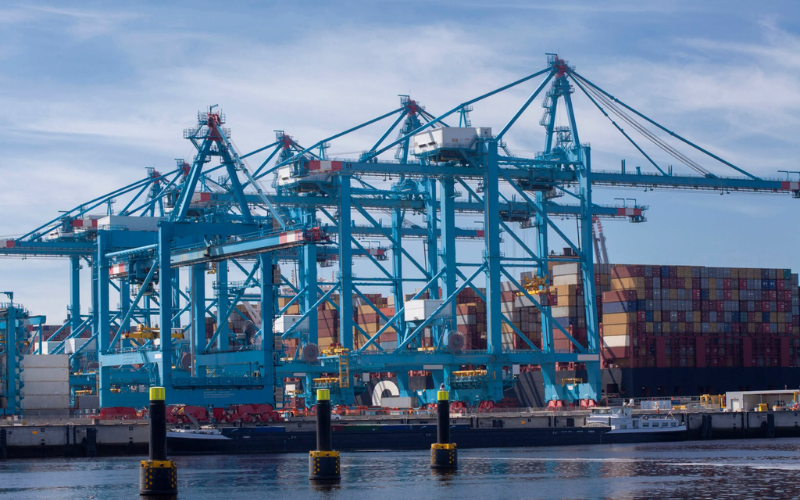
At major ports—especially Rotterdam, Europe's largest container hub and a critical regional gateway—every operational link is interconnected. From vessel maneuvering and container lashing to terminal handling and cargo inspection, a disruption in just one link can paralyze the entire vessel schedule. The stoppage of over 700 workers will directly impact stevedoring, lashing, towing, and inspection processes, causing operations to slow down or halt completely.
Businesses moving cargo through these gateways during the strike face several concrete risks:
Disrupted Port Call Schedules and Arrival Times: Vessels will be forced to wait at anchorage or adjust their berth times, causing delays and impacting downstream port rotations.
A break in a single operational link is enough to disrupt global vessel itineraries. The 8-hour paralysis will not only impact cargo scheduled during that window, but will also generate a multi-day ripple effect before normal operations can fully resume.
The seaport strike on September 4, 2026, is not the only collective action planned by FNV. Just 5 days later, on September 9, 2026, the union plans to launch a 24-hour nationwide public transit strike.
This second event is expected to bring the entire railway, regional, and urban transport system in the Netherlands to a standstill. Having two major strikes occur just days apart will place tremendous strain on inland transport networks and regional hinterland connections. Businesses should prepare alternative inland transport options in advance to keep cargo moving.
In light of this officially confirmed strike plan, companies with cargo passing through Rotterdam, Amsterdam, and Zeeland must proactively implement contingency measures to minimize losses. Shippers should review free time allowances to avoid unexpected fees caused by cargo delays.
Here are specific actions shippers should take immediately:
In an international transport market frequently impacted by sudden disruptions, having a trusted, experienced logistics partner is essential to maintaining supply chain continuity. VDM Forwarder is proud to offer end-to-end logistics solutions, supporting clients through every challenge.
We recognize that every shipment represents not only valuable cargo, but also your business reputation. VDM Forwarder remains committed to monitoring market shifts—including strike events and port congestion risks across the Netherlands and Europe. Our team of specialists actively liaises with ocean carriers, terminals, and forwarders to provide shift-by-shift updates and advise on the most suitable vessel schedules for your cargo. Leveraging our expertise and global partner network, we help businesses minimize delay risks, optimize logistics costs, and keep their supply chains running smoothly. Contact VDM Forwarder today for expert consultation and secure international freight management.

Receive shipping service price lists and optimal logistics solution advice from our experts.




We are always ready to advise and support you 24/7.