
This article analyzes the key factors businesses should consider before transporting oversized cargo, especially shipments that need to be connected from warehouses to ports or from ports to warehouses.
Heavy and oversized cargo generally refers to goods with a high weight, large dimensions, or shapes that make loading, securing, and transportation more difficult than standard cargo.
Heavy and oversized cargo may include machinery, industrial equipment, steel structures, construction materials, or other goods with large dimensions. Some items can be disassembled to make transportation easier, while large one piece equipment may require a specialized transportation and loading plan.
In practice, weight is not the only factor that needs to be considered. A shipment may have a relatively moderate weight but still create transportation challenges if its dimensions exceed the available space of the vehicle or encounter height and width restrictions along the route.
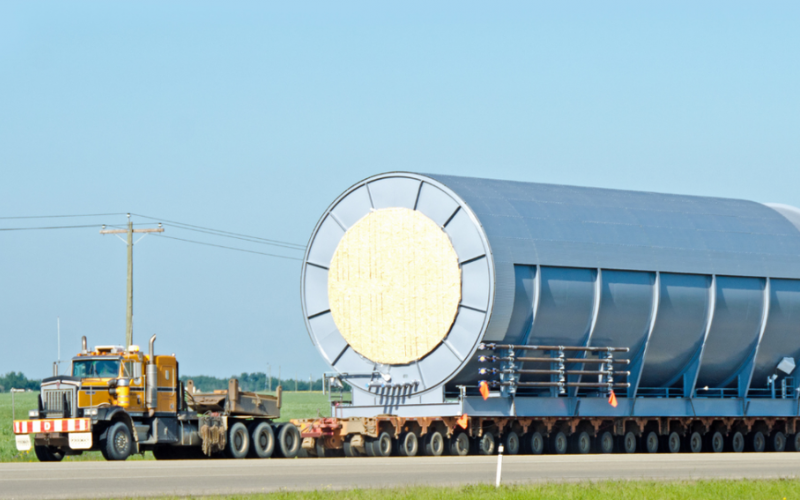
Oversized cargo does not necessarily mean overweight or over dimensional cargo. Whether a vehicle is classified as overweight or oversized depends on its load capacity, permitted vehicle dimensions, and current road transportation regulations.
For super oversized or super heavy cargo, or cargo that requires vehicles exceeding normal operating limits, businesses should check vehicle requirements, routes, and any necessary transportation permits before arranging the shipment. This is an important step in minimizing unexpected issues during domestic transportation.
Before requesting a quotation or arranging a vehicle, businesses should provide complete information about the shipment and pickup and delivery locations.
Dimensions and weight are two basic factors used to determine which type of vehicle can be used. Businesses should provide the length, width, height, and weight of each package instead of providing only the total shipment weight.
For example, an industrial machine weighing several tons but having a considerable length may require a different transportation solution from multiple smaller packages with the same total weight. The more accurate the information, the more precise the vehicle selection and transportation cost estimate will be.
Not all heavy cargo can be transported in the same way. Machinery, production lines, or equipment that can be disassembled into multiple components will require a different loading arrangement from large one piece equipment.
Businesses should clearly determine whether the cargo can be disassembled, where lifting points are located, and what protection is required during transportation. This information also serves as a basis for determining the appropriate loading equipment and cargo securing method.
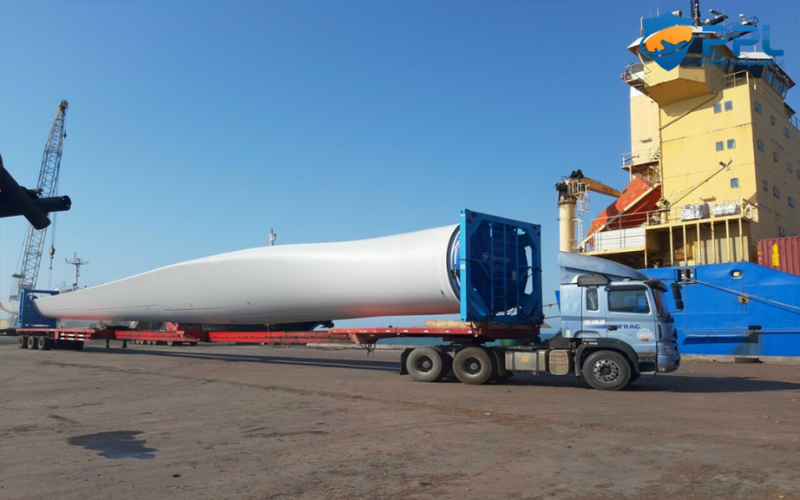
The transportation route should be assessed together with the pickup and delivery locations. Narrow roads, bridges with weight restrictions, areas with vehicle restrictions, or difficult access to the delivery site can all affect the transportation plan.
For cargo transported from a factory or warehouse to a port for export, route assessment is particularly important. A suitable plan needs to consider both vehicle accessibility and the time required to deliver the cargo to the port according to the shipping schedule.
The vehicle should be selected based on the cargo dimensions, weight, characteristics, and road conditions.
Trucks are available in various load capacities and body dimensions, making them suitable for different types of cargo. When selecting a truck, businesses must ensure that the cargo weight remains within the vehicle's permitted capacity and that the cargo dimensions are compatible with the available loading space.
For shipments with large dimensions that still fall within standard transportation limits, a suitable truck can simplify the delivery process. However, if the cargo exceeds permitted limits, a specialized transportation solution should be considered and relevant requirements should be checked.
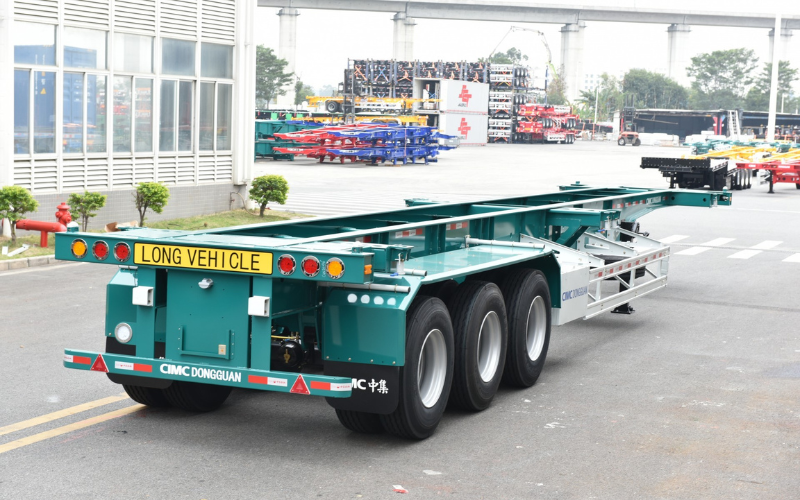
Tractor trucks combined with trailers or semi trailers are commonly used to transport cargo with large dimensions or high weight, as well as goods requiring a suitable loading platform. The type of trailer should be selected based on the specific specifications of the shipment.
For oversized, overweight, super oversized, or super heavy cargo, businesses should determine the appropriate vehicle, route, and operating requirements in advance. Vehicle selection should not be based solely on cargo weight while overlooking its dimensions and actual characteristics.
There is no fixed transportation rate for every heavy and oversized cargo shipment.
The distance between the pickup and delivery points is one of the key factors used to calculate transportation costs. However, the cost can vary even for the same distance depending on road conditions, pickup and delivery locations, and the type of vehicle required.
For export cargo, businesses should also consider the transportation leg from the warehouse or factory to the port. Planning in advance helps businesses manage the port delivery schedule and minimize additional costs caused by delays or unplanned pickup and delivery arrangements.
Cargo weight and dimensions directly affect vehicle selection. The larger or heavier the cargo, the greater the requirements for vehicle capacity, loading platforms, and handling arrangements, which may increase the total transportation cost.
For example, two shipments traveling along the same route may have different costs if one can be transported by a standard truck while the other requires a specialized vehicle. Therefore, a quotation based solely on distance does not fully reflect the actual transportation cost.
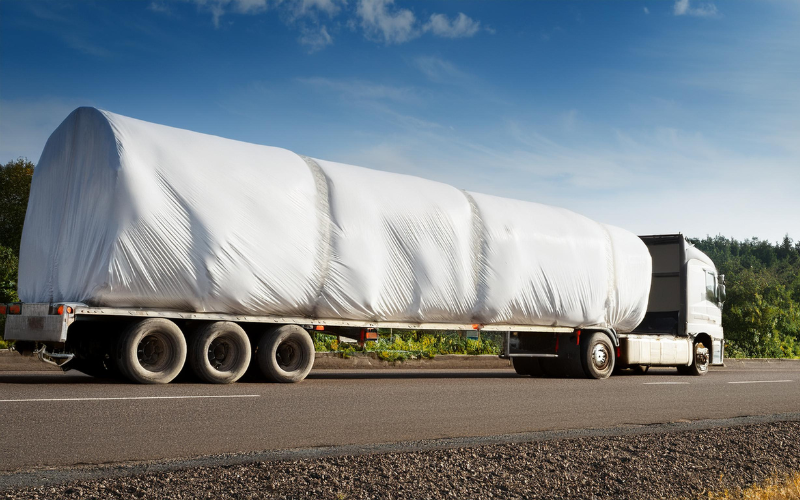
The type of vehicle depends on the cargo dimensions, weight, and characteristics. Trucks, tractor trucks, trailers, and specialized vehicles have different operating requirements and costs.
Businesses should request quotations that clearly specify the scope of services, proposed vehicles, and related charges. This makes it easier to compare different options and minimize unexpected costs.
Businesses should consider using professional transportation services when cargo has large dimensions, high weight, or requires specialized vehicles to move goods from warehouses or factories to seaports. VDM Forwarder provides logistics solutions combining container transportation and domestic transportation, supporting businesses with transportation planning, route selection, vessel booking, customs declaration, and suitable pickup and delivery arrangements.
With experience in handling container cargo, bulk cargo, and project cargo, VDM Forwarder can coordinate different stages of the logistics journey, from cargo pickup to delivery at the port or designated location. This integrated approach helps businesses proactively manage transportation plans, control costs, and minimize unexpected issues that could affect import and export schedules.

Receive shipping service price lists and optimal logistics solution advice from our experts.




We are always ready to advise and support you 24/7.