
These regulations do not take effect on the same day. Decree 365/2026/NĐ-CP on rice export and import business and Decree 289/2026/NĐ-CP on procedures at port border gates take effect from October 1, 2026. Decree 336/2026/NĐ-CP on the single window mechanism, Circular 127/2026/TT-BTC on declaring means of transport, and Circular 128/2026/TT-BTC on smart border gates take effect from October 15, 2026. Decree 342/2026/NĐ-CP on FDI enterprises takes effect from October 18, 2026. As of now, these regulations have begun to apply, so businesses need to check the shipments and documents they are currently processing.
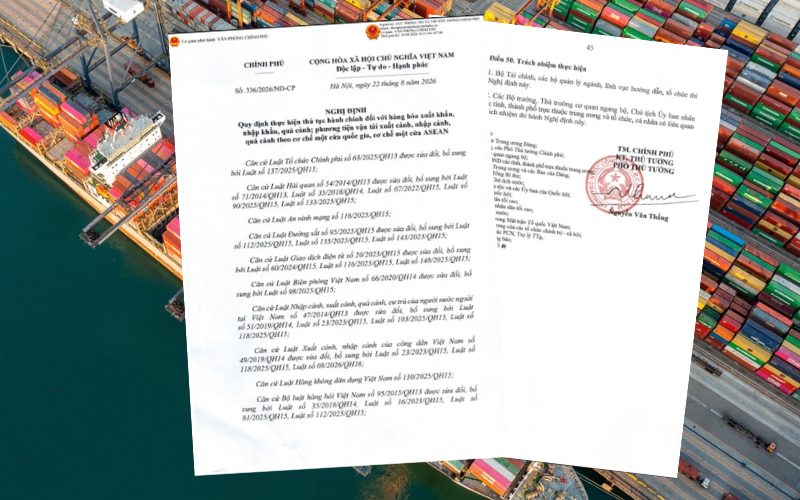
Decree 336/2026/NĐ-CP was issued on August 22, 2026 and replaces Decree 85/2019/NĐ-CP. Under the new rules, procedures for exported, imported, and transit goods and for means of transport are carried out, and data is exchanged, through the National Single Window Portal. Processing results from specialized systems are transferred to the customs system, serving as the basis for clearing goods and completing procedures for means of transport. It should be noted that the single window mechanism does not mean declaring once is enough, since the conditions and document requirements under specialized laws remain unchanged. For that reason, documents for customs declaration services should be checked carefully from the start so they match the requirements of each specialized agency.
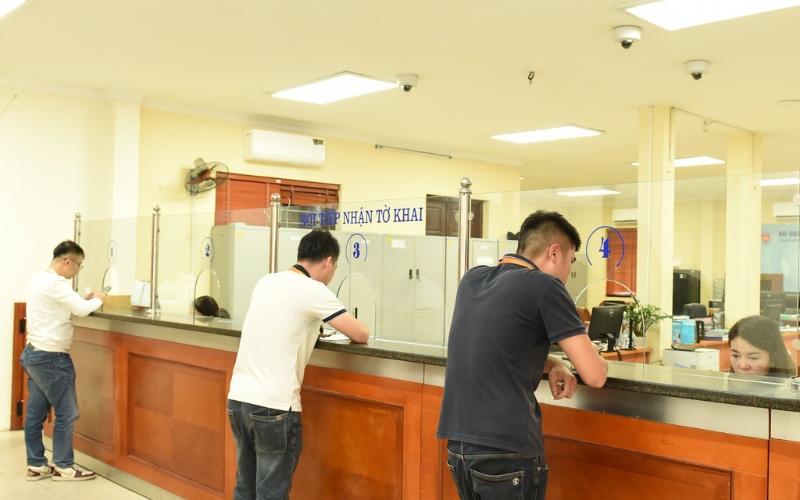
Circular 127/2026/TT-BTC redefines the information items and document forms used to declare sea vessels, aircraft, road vehicles, railway vehicles, and inland waterway vessels. When the single window system has a problem, declaration is made with paper documents in the prescribed form. Maritime agents and transport companies should compare the new forms with the ones currently in use to avoid mistakes. Information about vessels and shipping lines is usually handled together with a provider of customs brokerage and vessel chartering support.
Electronic documents exchanged between businesses and customs authorities must meet the prescribed data format, using the JSON standard. Businesses should review their declaration software and information technology systems to make sure they can connect, and to avoid errors when sending data to file a declaration.
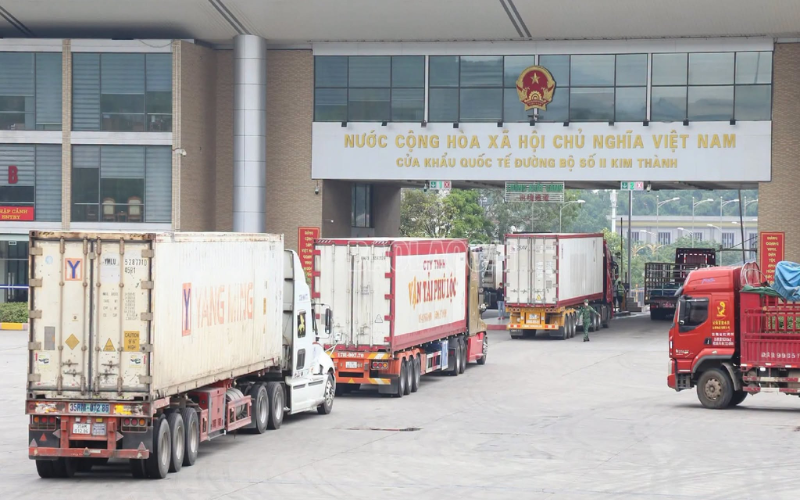
Circular 128/2026/TT-BTC was issued on August 27, 2026 and applies to smart border gate areas approved by the Prime Minister. These areas must have cameras that recognize smart unmanned vehicles, electronic barriers at the entry and exit gates, surveillance cameras, electronic scales, and a cargo management system connected to the customs system. Imported cargo can be kept for up to 30 days from the date it arrives at the border gate. After this period, if the cargo owner comes to complete procedures to receive the cargo, the case is handled according to regulations. Smart unmanned vehicles are still subject to customs inspection and supervision. For container transport services, businesses should plan an early pickup so cargo does not sit for long in this area.
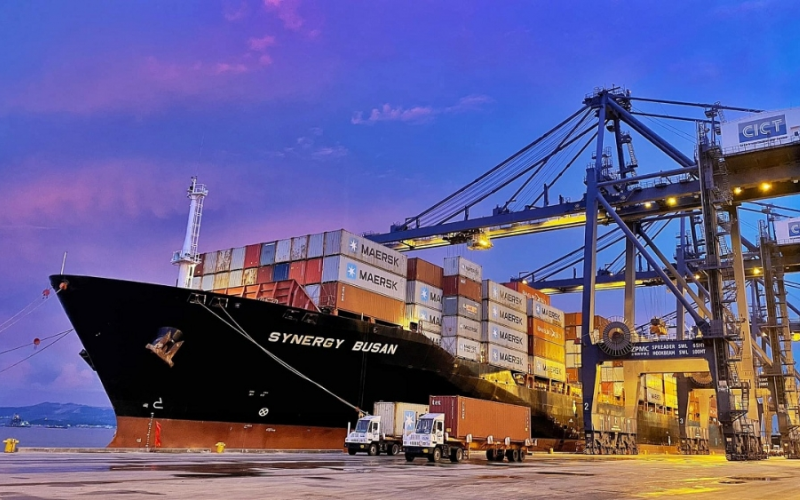
Decree 289/2026/NĐ-CP on managing and ensuring security and order at port border gates managed by the Ministry of Public Security adds procedures for people and vessels on entry, exit, and port transfer. The decree also has regulations on crew shore leave permits and permits to board vessels. Port border gate police must complete procedures within 1 hour at the latest from receiving complete documents. Crew members who go ashore must return to the vessel before it completes departure or outbound port transfer procedures, and the master is responsible if procedures are delayed because crew members have not returned. Shipping businesses and maritime agents need to update their procedures from October 1, 2026. These procedures may affect vessel schedules, so businesses using sea freight services need to follow information from shipping lines and agents closely.
Decree 365/2026/NĐ-CP, issued on September 23, 2026, sets new conditions for rice exporters. Traders must meet the conditions and be granted a certificate of eligibility for rice export business, and must have at least 1 dedicated warehouse and 1 rice milling facility that meet the requirements. Rice importers must notify the Ministry of Industry and Trade of their import plan. After preparing the warehouse and documents, moving rice from the warehouse to the port should be arranged in line with domestic transport services.

Decree 342/2026/NĐ-CP, issued on September 3, 2026, provides detailed rules on the goods trading activities of foreign investors and foreign invested economic organizations. For example, a foreign invested economic organization that already has import rights may import goods if they are not on the list of banned imports, suspended imports, or goods it has no right to import under international treaties. For goods imported under a license or under conditions, the business must have the license or meet all required conditions under the law. FDI enterprises should review their scope of goods, their business rights, and the cases that require a business license.
To apply the new import export regulations, businesses can start with a few specific tasks. First, check that accounts, digital signatures, and declaration software connect reliably to the National Single Window Portal and can send data in the correct format. Second, transport companies and maritime agents should update the vessel declaration forms and the procedures at ports. Third, for cargo passing through smart border gate areas, track the 30 day storage limit to avoid penalties when picking up cargo. Fourth, rice businesses and FDI enterprises should compare their business conditions and licenses with the new rules. Businesses can also read more about the customs declaration process to understand the steps of filing a declaration.
The content in this article is a summary of published documents and news. When applying it to a specific shipment, businesses should read the original documents or ask the customs authority or an advisory provider.
With more than 15 years of experience in sea freight, domestic transport, container shipping, and customs declaration services, VDM Forwarder follows new legal documents to update its procedures for customers. Following the new import export regulations effective from October 2026, the VDM Forwarder team reviews documents, declarations, and transport schedules so that shipments go through procedures correctly and delays are kept to a minimum.
If your business needs advice on customs procedures or a transport plan suited to the new changes, you can contact VDM Forwarder for a consultation and receive a quote through the hotline or the company’s official contact channels.

Receive shipping service price lists and optimal logistics solution advice from our experts.




We are always ready to advise and support you 24/7.