
Understanding the OTIF index, how to calculate it, and the factors affecting it will help businesses better control logistics operations, optimize costs, and improve customer satisfaction.
OTIF is considered one of the key performance indicators (KPIs) that reflects the efficiency of the entire supply chain. Instead of only evaluating whether goods are delivered or not, OTIF measures the ability of a business to fulfill commitments to customers regarding delivery time and quantity.
OTIF stands for On Time In Full, meaning delivery is made on time and in full quantity. An order is only considered to achieve OTIF when it meets both conditions: being delivered within the committed timeframe and delivering the correct quantity and product specifications according to the order. If an order is delivered on time but with missing items, or delivered in full but late, it will still fail to meet the OTIF standard.
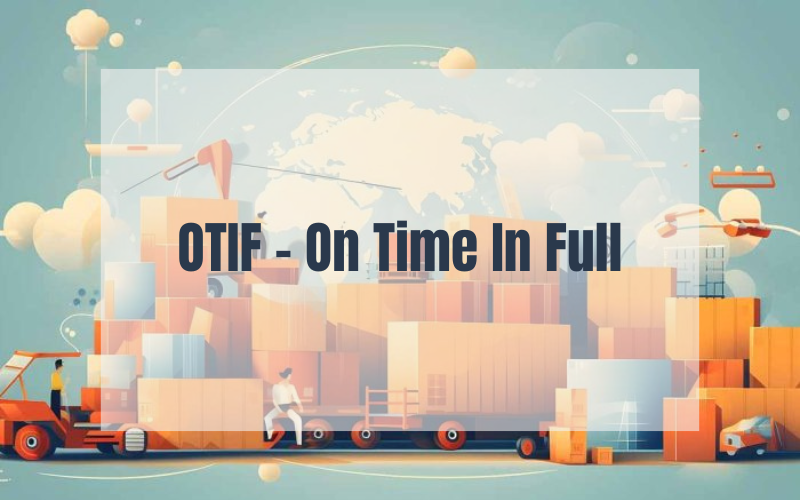
To ensure OTIF accurately reflects operational performance, businesses need to establish clear criteria for what is considered "on time" and "in full" from the beginning. This provides an objective basis for evaluation between businesses, customers, and logistics providers.
The commonly used OTIF formula is:
OTIF (%) = (Number of orders delivered on time and in full / Total number of orders) × 100
Example: During a month, a business delivers 500 orders, of which 470 orders meet both requirements regarding delivery time and quantity:
OTIF = (470 / 500) × 100 = 94%
Many businesses set an OTIF target of 95% or higher. However, the appropriate level depends on the characteristics of each industry and customer requirements.
An order is considered to achieve OTIF when it fully meets the agreed criteria between both parties, including delivery within the committed timeframe, correct delivery location, sufficient quantity, correct product specifications, and no discrepancies affecting the receiving process.
For sea freight transportation, businesses also need to control key milestones such as cargo loading time, vessel departure schedule, port arrival time, and container delivery time. Close coordination between shippers, shipping lines, ports, and logistics providers plays an important role in maintaining a stable OTIF rate.

The OTIF index is influenced by multiple stages within the supply chain. Just one issue in a single stage can affect the entire delivery process and reduce the OTIF rate.
If businesses fail to accurately forecast demand or manage inventory effectively, goods may not be available in sufficient quantities to complete orders on time. This is a common reason why orders are delivered partially or split into multiple shipments.
For import and export businesses, shortages of raw materials or delays in production completion can also cause missed container loading schedules and affect international sea freight plans.
Transportation activities can be affected by weather conditions, port congestion, vessel schedule changes, customs inspections, or unexpected incidents along shipping routes. These factors can cause goods to arrive later than the committed delivery time.
In recent years, many businesses have chosen to cooperate with logistics providers that have extensive agent networks and the ability to regularly update shipment schedules to minimize delivery delay risks.
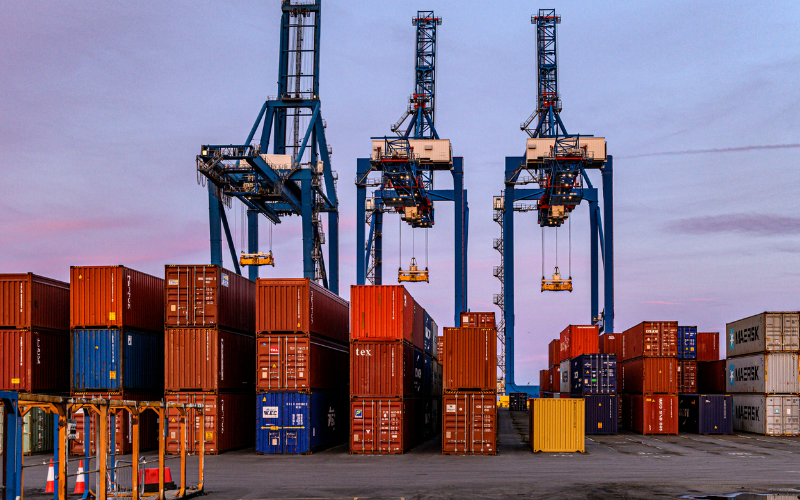
Improving OTIF requires a comprehensive approach from planning, inventory management, transportation, to customer service. This is also the foundation for businesses to build a stable and sustainable supply chain.
Businesses should standardize processes from receiving orders, checking inventory, preparing goods, packaging, to delivery. Each department needs clear responsibilities and continuous coordination to minimize errors.
Regularly monitoring logistics KPIs along with OTIF also helps businesses identify potential issues that may affect delivery schedules at an early stage.
For import and export businesses, selecting an experienced logistics provider in sea freight transportation is an important factor in maintaining a high OTIF rate. A partner with strong knowledge of vessel schedules, customs procedures, and port systems can help businesses proactively plan their deliveries.
In addition, regular information exchange between businesses and logistics partners allows faster responses to changes in vessel schedules, documents, or customer requirements. This helps reduce the risk of delays and improves overall supply chain efficiency.
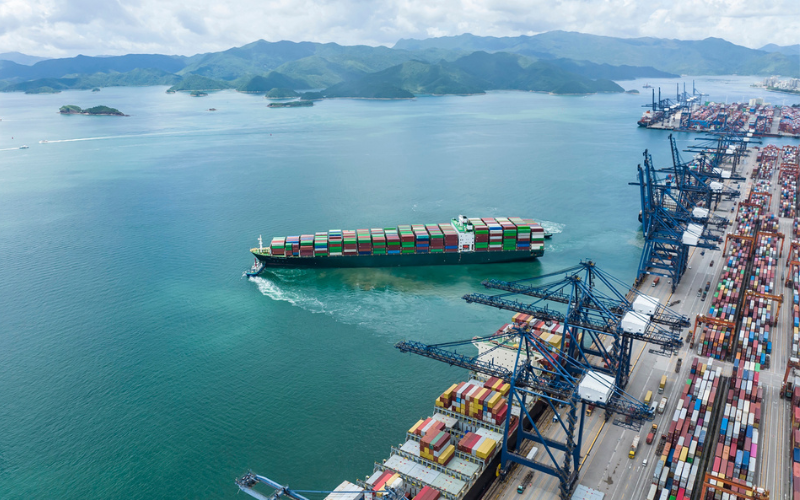
VDM Forwarder provides logistics solutions that support businesses in controlling container transportation processes, from developing transportation plans, monitoring shipment schedules, to coordinating the handling of arising issues. With experience in sea freight transportation and import and export cargo handling, VDM Forwarder helps businesses become more proactive in ensuring delivery schedules and reducing risks that may affect OTIF performance.
The professional team at VDM Forwarder provides consultation on suitable transportation solutions, connects with shipping lines, ports, and related parties to monitor shipment status throughout the transportation process. These solutions are implemented based on each business’s actual needs, contributing to improved logistics efficiency, optimized delivery processes, and greater stability in the supply chain.

Receive shipping service price lists and optimal logistics solution advice from our experts.




We are always ready to advise and support you 24/7.