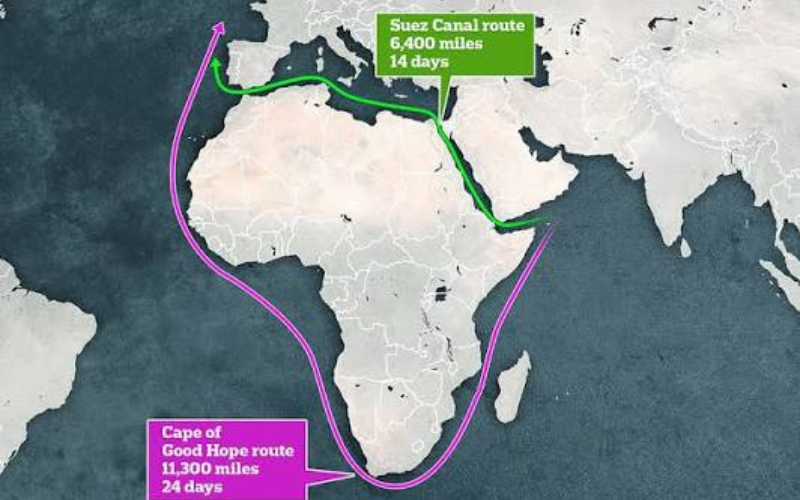
After many months in which carriers diverted around Africa because of attacks on commercial ships in the Red Sea, the Suez Canal is gradually becoming the main route for container cargo between Asia and Europe again.
Alphaliner analyzed the period from September 15 to October 15, 2026. It found that 5.5 million TEU, equal to 63% of the 8.7 million TEU deployed on the Far East Europe trade, sits on service loops whose vessels transit the Red Sea. TEU is a unit based on a 20 foot container, commonly used to measure shipping capacity. Of the 46 direct services between Asian and European ports, 24 used the Suez Canal corridor. By trade lane, the share reached 70% on the Far East Mediterranean trade and 58% on the Far East North Europe trade.
This figure needs to be read correctly. The 63% share is measured by the capacity of service loops with vessels transiting the Red Sea, not 63% of ships that have passed through the Suez Canal. Some services still use a mixed pattern, going through the Suez Canal in one direction and around the Cape of Good Hope in the other. According to industry reports citing Alphaliner, carriers are giving priority to Suez transits in the direction from Asia to Europe first.
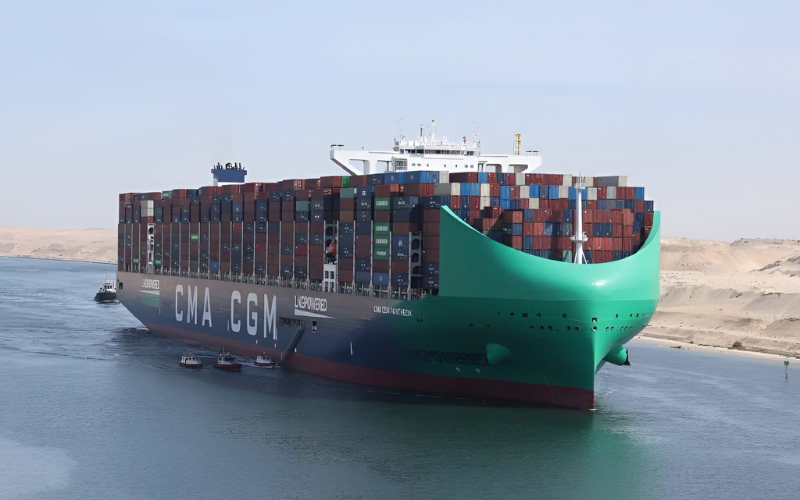
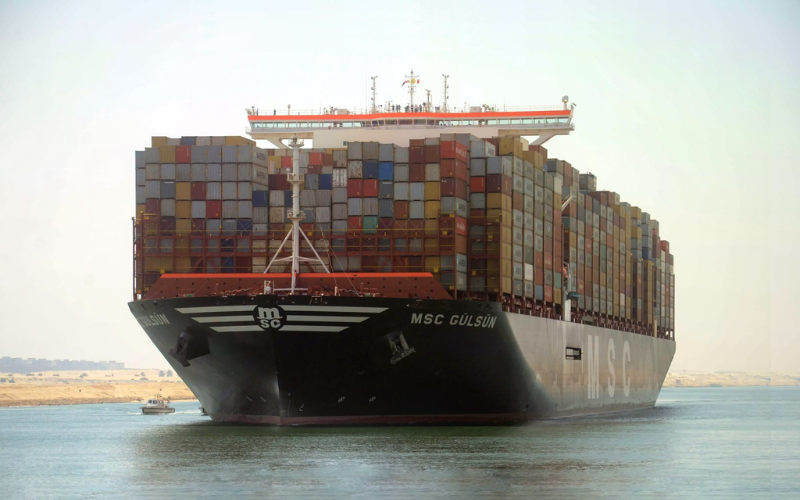
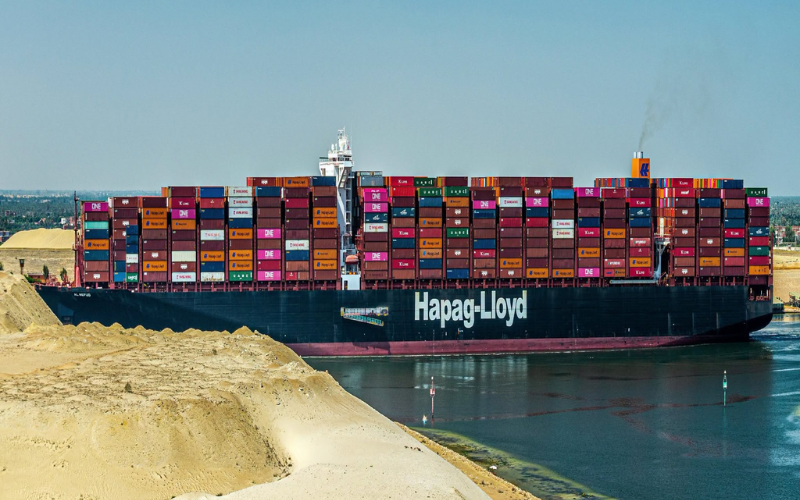
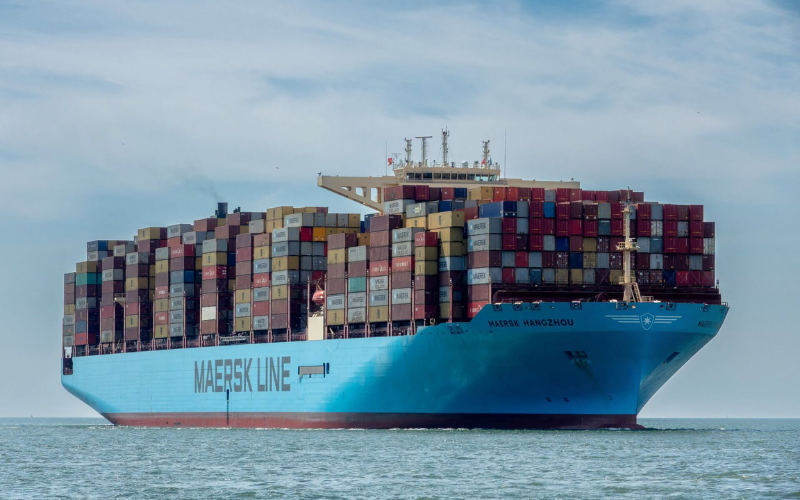
In the period surveyed, MSC deployed the most capacity through the Red Sea, with 11 service loops and 2.2 million TEU. The Gemini Cooperation of Maersk and Hapag Lloyd followed with 1.76 million TEU. CMA CGM kept transiting the area throughout the crisis, while COSCO Shipping and OOCL have also returned. Even so, all carriers are proceeding with caution, depending on security assessments and actual operating conditions.
According to Alphaliner, among the 10 largest carriers, Evergreen and ZIM are the two that have not yet resumed Red Sea transits. The partners in Premier Alliance are preparing to resume two services. In short, the pace of return is uneven between carriers, so businesses need to ask clearly which route the carrier they book with is actually running.
Compared with the route around the Cape of Good Hope, the Red Sea and Suez corridor shortens the voyage by about 2 weeks and reduces fuel consumption. When ships turn around faster, the same fleet can serve more voyages, so effective shipping capacity rises. For cargo moving to Europe and the Mediterranean, shorter transit times help businesses plan deliveries more accurately. However, specific schedules still depend on each carrier and each voyage.
As more ships return to this route, effective shipping capacity increases, creating pressure on freight rates. According to Drewry, Asia Europe rates fell for 13 consecutive weeks, and by October 8, 2026, the rate from Shanghai to Rotterdam stood at 3,337 USD per 40 foot container. Drewry assessed that the Suez Canal being used again faster than expected is the greatest risk to carriers’ efforts to lift rates.
In fact, over the past two weeks Asia Europe rates have risen again. According to Drewry, on October 15 the Shanghai to Rotterdam rate rose 6% to 3,522 USD, and by October 22 it rose a further 3% or so to 3,632 USD per 40 foot container, as carriers pushed higher FAK rates (rates that apply to all types of cargo) from October 19. Drewry also said that whether these increases can be successfully applied remains uncertain while capacity is growing. In addition, surcharges and security risks remain variables. For that reason, the recovery of the Suez Canal is a positive signal, but freight rates are unlikely to fall across the board while Red Sea security remains uncertain.
For cargo moving to or from Europe and the Mediterranean, businesses should check the actual routing of the vessel before booking. They need to ask whether the ship goes through Suez in both directions, in one direction only, or still sails around the Cape of Good Hope, because the routing decides whether the voyage is long or short. Businesses should also ask the carrier about the ETA and the expected transit time.
When comparing quotations, place ocean freight, surcharges, validity period, and conditions of application on the same footing, instead of looking at a single freight figure. In addition, allow extra time, since schedules may change when the security situation in the Red Sea shifts.
With more than 15 years of experience in sea freight, domestic transport, container shipping, and customs declaration services, VDM Forwarder follows developments on major shipping lanes to keep customers informed. With the Suez Canal welcoming back most Asia Europe capacity, the VDM Forwarder team helps check the actual routing, vessel schedule, and total cost before booking, so that shipments stay on plan and unexpected costs are kept to a minimum.
If your business needs advice on a shipping plan for cargo to Europe or the Mediterranean, VDM Forwarder is ready to provide consultation and a quote through the hotline or the company’s official contact channels.

Receive shipping service price lists and optimal logistics solution advice from our experts.




We are always ready to advise and support you 24/7.