
ETA, short for Estimated Time of Arrival, is the projected time a vessel is expected to reach port. This figure is published by the carrier based on the sailing schedule, vessel speed, and weather conditions along the route. However once the vessel actually arrives, the container still has to go through several operational steps such as being discharged from the ship, having its status updated in the system, and being positioned in the yard.
For this reason, ETA does not equal the moment cargo can be picked up. In actual operations, businesses also need to track ATA, or Actual Time of Arrival, which is when the vessel physically arrives at port, along with the container's handling status, in order to determine exactly when the next steps in the cargo release process can begin.
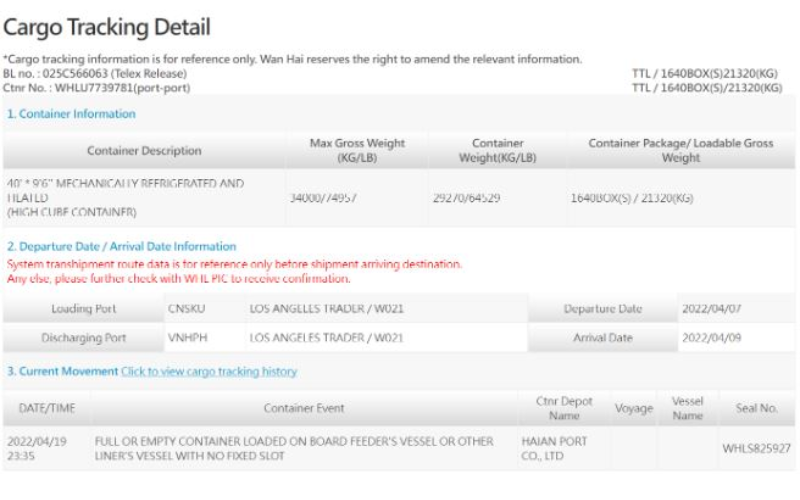
ETA is often updated multiple times before the vessel arrives, due to factors such as weather, port congestion, or changes in the carrier's operating schedule. ATA is only confirmed once the vessel has safely berthed. Some carriers even record ATA as soon as the vessel anchors in the waiting area, before it moves to the official berth. Businesses need to clearly distinguish between these two points in time to avoid planning cargo pickup earlier than what is actually possible.
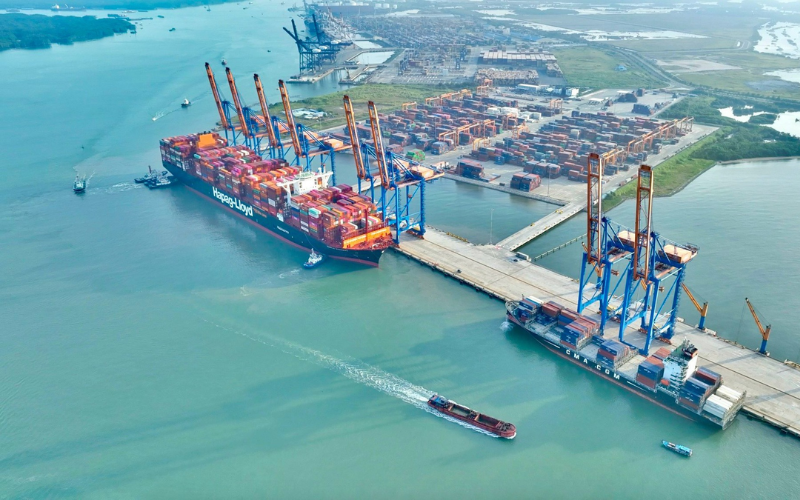
Even after a container has been discharged from the vessel and moved into the yard, businesses still need to complete the release conditions before the cargo can leave the port. This is especially true for import shipments, where release timing depends heavily on the customs clearance outcome and the status of the declaration documents.

The customs system currently classifies declarations into three main channels. The green channel is a simpler clearance process under current regulations, where businesses only need to fulfill their tax obligations before the shipment can be cleared and released. The yellow channel requires customs to review the documentation before granting clearance. The red channel is the strictest level, involving both document review and a physical inspection of the goods at the port or warehouse.
For a container subject to physical inspection, container arriving early does not help a business pick up cargo sooner if the inspection has not yet been completed. This is why, in sea freight operations, early vessel arrival is only one part of the overall release plan, not the sole deciding factor.
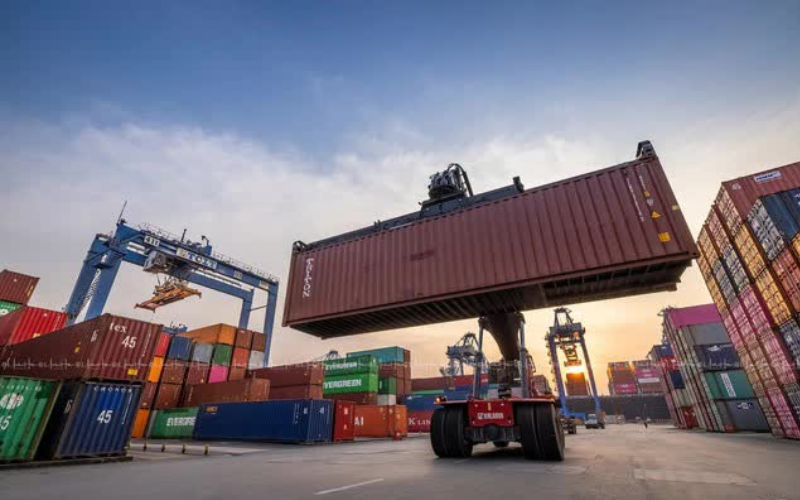
A container cannot leave the port simply because it has already arrived. Businesses must also satisfy a number of other conditions, including the full set of import documents, the customs declaration, clearance status, the delivery order (D/O) and release procedures with the carrier, port and carrier related fees, and any specialized inspection requirements if the goods fall under regulated categories.
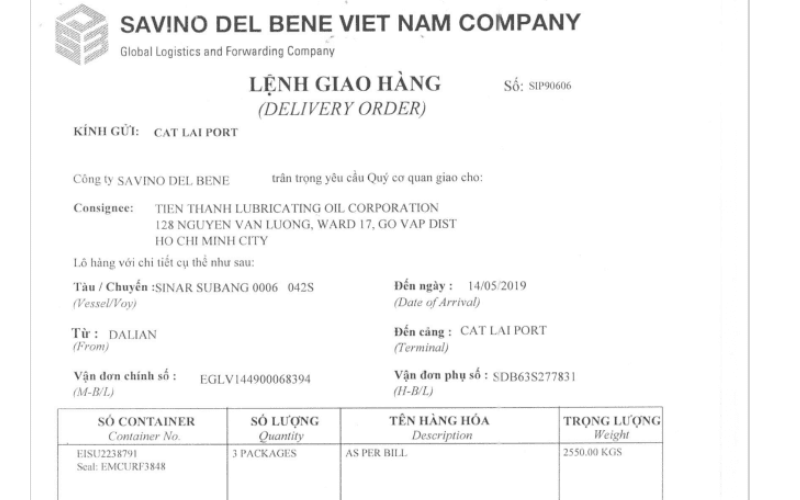
If even one of these conditions remains incomplete, the container can still sit at the port even though the vessel arrived well before. For example, if a business has not yet settled the carrier's fees to obtain the D/O, or the declaration documents are missing required information, the container will still be held even though it was discharged to the yard early. This is why businesses need to prepare complete documentation in parallel with tracking the vessel schedule, rather than waiting until the vessel arrives to start processing paperwork.
To avoid being caught off guard when a container arriving early still cannot be released right away, businesses should prepare complete import documents before the vessel arrives, and track both ETA and ATA closely rather than relying on a single time reference. Proactively working with the carrier to settle fees and obtain the D/O early also helps shorten the waiting time at port.
In addition, for goods likely to fall into the yellow or red channel, businesses should have documentation ready in advance to prove origin, meet technical standards, or provide specialized permits where applicable, so the process moves faster once customs requests an inspection. Working closely with a logistics provider experienced in customs procedures also helps businesses stay accurately informed about shipment status, avoiding unexpected container demurrage and storage costs.
With more than 15 years of experience in sea freight, domestic transport, container shipping, and customs declaration services, VDM Forwarder understands the real factors that determine when a business can actually receive its cargo, not just the date the vessel arrives at port. The VDM Forwarder team closely tracks both ETA and ATA along with container handling status, while preparing complete documentation from the outset to shorten clearance time for customers.
If your business needs guidance on the import cargo release process or wants close tracking of shipment progress to avoid unexpected storage costs, VDM Forwarder is ready to provide detailed consultation and a full service quote through the hotline or official contact channels.

Receive shipping service price lists and optimal logistics solution advice from our experts.




We are always ready to advise and support you 24/7.