
There are 5 common reasons why comparing forwarder quotes can be challenging. Each factor can cause a noticeable difference in the final price, even when the cargo details and trade lanes are identical.
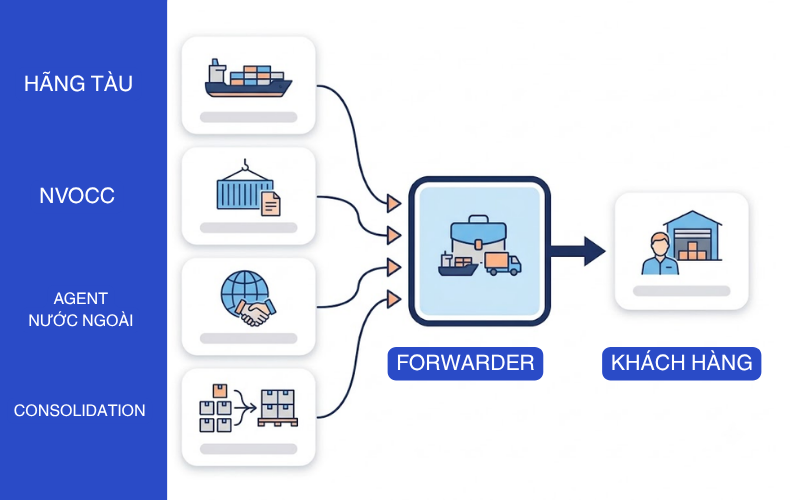
Forwarders do not always source their freight rates from the same supplier. Base procurement costs can originate directly from ocean carriers, NVOCCs (Non-Vessel Operating Common Carriers), overseas agents, or consolidators (for LCL cargo). Each source maintains its own rate tier, validity period, and terms. Consequently, even on a standard route such as China to Vietnam, ocean freight rates can vary right at the sourcing level before a forwarder adds any markup. Furthermore, base rates in ocean freight fluctuate constantly depending on timing, vessel operators, and quote validity windows.
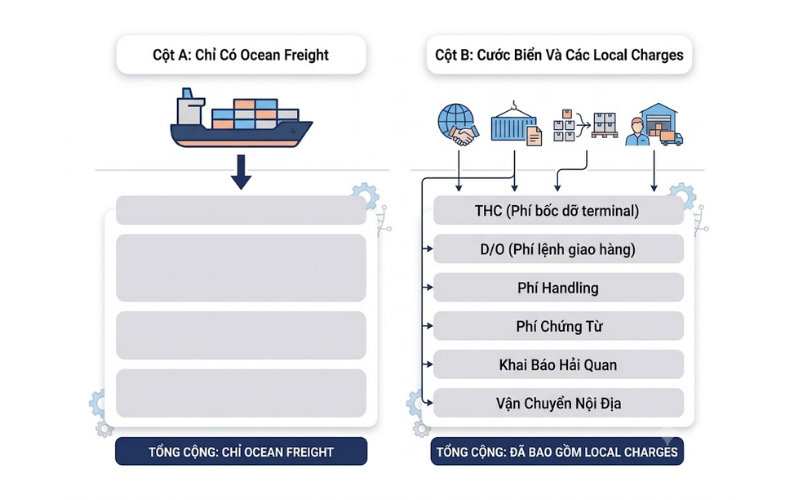
One quotation might cover only ocean freight (O/F). Another quote may already bundle terminal handling charges (THC), delivery order fees (D/O), handling fees, documentation fees, other origin/destination local charges, customs clearance, and inland trucking to the final warehouse. Looking solely at the ocean freight line item often creates the illusion that one provider is significantly cheaper, when in reality the two quotes represent completely different service scopes.
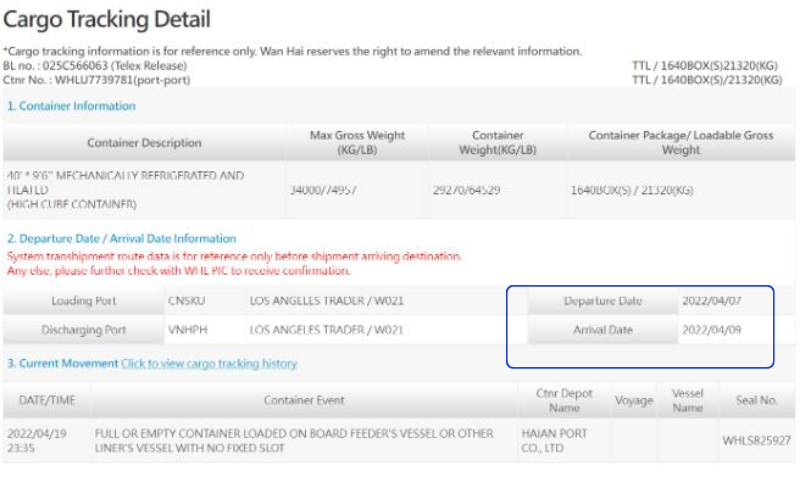
Commercial terms are frequently overlooked by shippers during evaluation. Two identical freight rates may come with different ports of loading and discharge (POL/POD), container types, free time allowances for demurrage and detention (DEM/DET), estimated times of departure (ETD), transit times, and validity periods. For instance, a quote with a lower base freight rate but shorter free time or infrequent vessel sailings can easily lead to higher overall expenses. A lower initial quote does not guarantee a lower total cost.
Some forwarders itemize every single fee, while others offer bundled or "all-in" rates. Certain forwarders may offer an artificially low base ocean freight rate while charging higher local fees later. Both itemized and bundled approaches are valid, provided the client has full transparency regarding what each fee covers. Thus, evaluation should focus not on who offers the lowest base ocean freight, but on the comprehensive cost incurred from booking issuance to final warehouse delivery.
Forwarders handling large cargo volumes or holding direct long-term service contracts with ocean carriers generally secure stronger buying power. However, competitive pricing is only valuable when backed by reliable service, stable space allocation, and proactive issue resolution. A cheap rate that results in frequent rolled cargo or delayed communications will ultimately cost more in supply chain disruptions. Managing carrier bookings and vessel schedules effectively relies on experienced logistics and customs brokerage professionals.
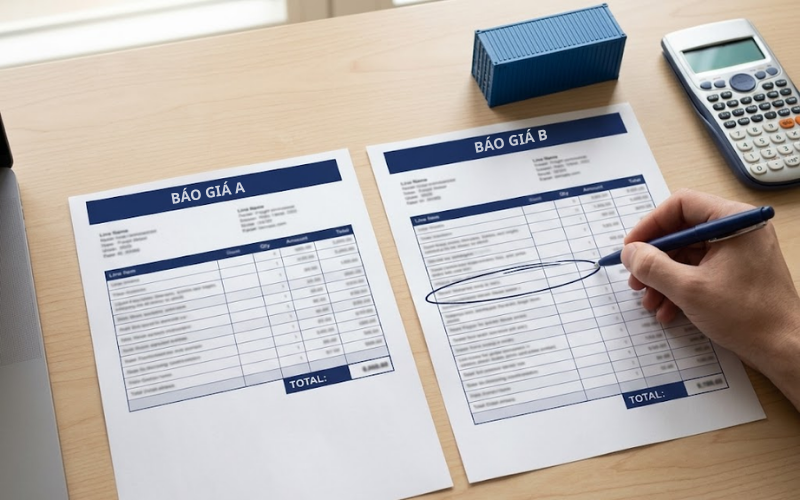
To evaluate forwarder quotes accurately, shippers must look beyond the initial ocean freight figure. Request that forwarders clearly itemize ocean freight, local charges, service scope, free time allowances, vessel schedules, and rate validity. Aligning all received quotes against these identical line items reveals the true cost differences.
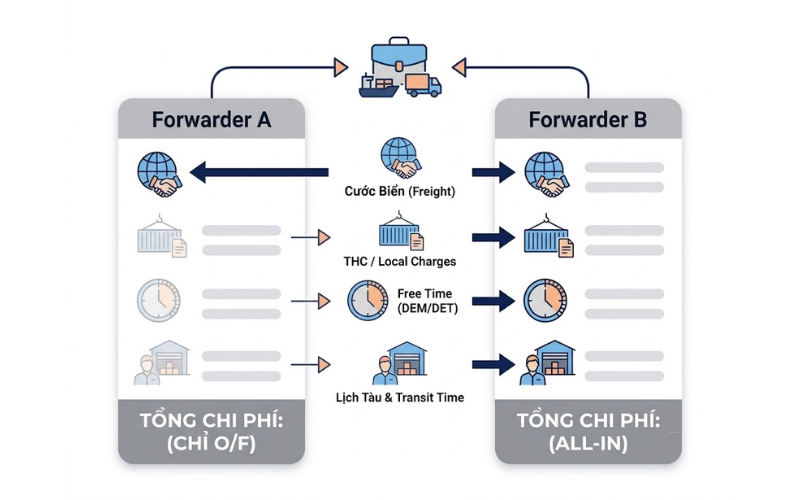
Shippers can set up a straightforward comparison matrix incorporating: Port of Loading (POL), Port of Discharge (POD), Container Type, Ocean Freight, Itemized Local Charges, Documentation Fees, Customs Clearance, Inland Trucking (if applicable), Free Time (DEM/DET), ETD, Transit Time, and Rate Validity. If a forwarder provides a bundled rate, request a breakdown of included items. If a fee is omitted, clarify whether destination or local charges will apply upon arrival. This structured comparison prevents unexpected cost surprises.
When comparing freight forwarder quotes, it is crucial to distinguish between two concepts:
For example, Quote A lists a lower ocean freight rate than Quote B. However, Quote B already covers documentation fees, customs clearance, and final trucking, whereas Quote A excludes them. Once all necessary logistics expenses are tallied, Quote A may end up being the more expensive option. Additionally, potential demurrage and detention risks must be factored in—a container with cheap freight that sits at the port for extra days due to insufficient free time quickly becomes a costly shipment.
With extensive industry expertise across ocean freight, inland trucking, container transport, and customs brokerage, VDM Forwarder recognizes that businesses need transparent, easy-to-compare quotations rather than misleadingly low initial estimates. Upon receiving a quote request, our team provides an all-inclusive cost breakdown, explicitly stating the service scope, free time limits, vessel schedules, and applicable terms to eliminate unexpected expenses. This transparent approach empowers shippers to evaluate quotes with confidence and understand precisely what they are paying for.
If your business requires tailored transport solutions and an itemized quotation for your upcoming shipment, contact VDM Forwarder via our hotline or official communication channels today.

Receive shipping service price lists and optimal logistics solution advice from our experts.




We are always ready to advise and support you 24/7.