
The timeframe of three to four months prior to the Lunar New Year is considered the most ideal window for enterprises to start preparing. Creating a logistics plan during this stage yields clear competitive advantages, helping brands stay resilient during the Peak Season.
The Peak Season is always accompanied by a scarcity of container equipment and a shortage of capacity across both ocean and road transport routes. Developing a logistics plan early allows businesses to proactively engage with freight forwarders to secure space in advance. Early preparation ensures import-export schedules remain on track, avoiding the risk of rolled cargo or extended waiting times at port yards.
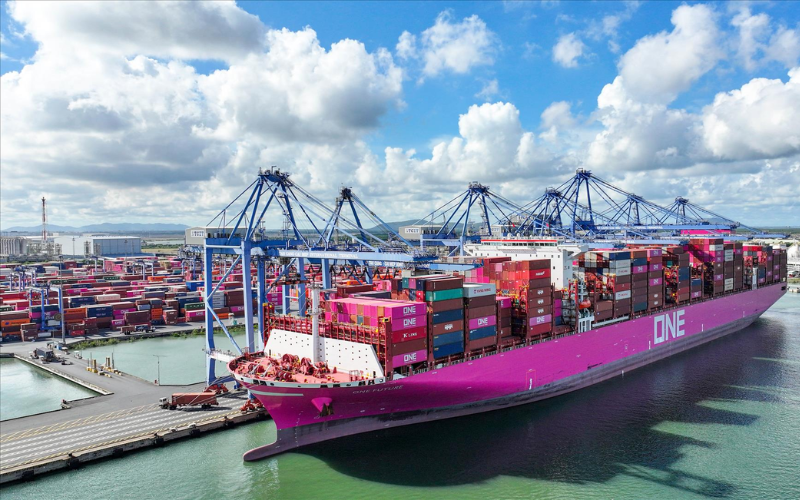
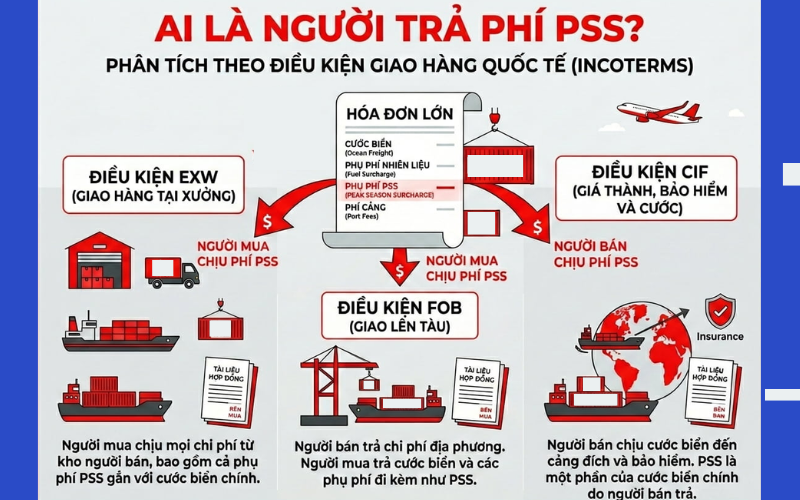
In the weeks leading up to Tet, ocean freight rates and domestic transport charges typically spike alongside Peak Season Surcharges (PSS). Enterprises that finalize transport contracts early secure stable freight rates. This factor serves as a safeguard against price volatility and keeps final product pricing competitive in the market.
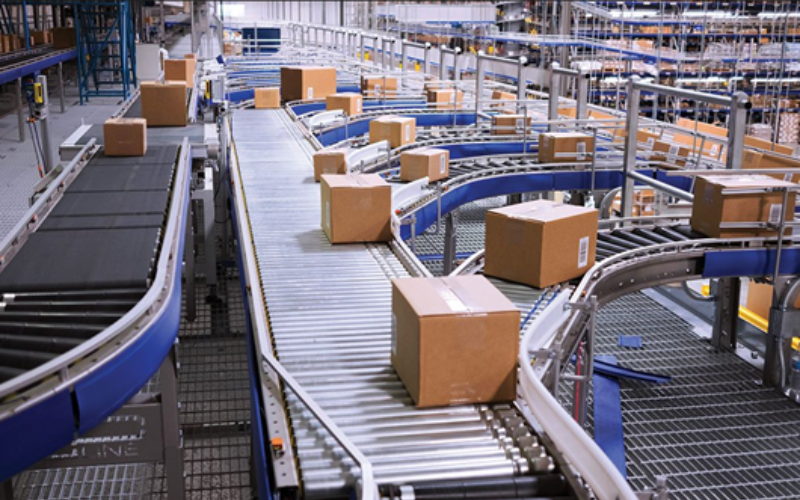
An effective logistics plan must be built on close coordination among various departments, ranging from production and warehousing to customs documentation.
Businesses need to analyze sales data from previous years combined with current market trends to formulate accurate forecasts. Clearly defining the volume of goods to be distributed enables enterprises to formulate a clear logistics plan for warehousing. Proactively leasing additional short-term warehouse space early prevents warehouse overcrowding when shipments arrive at ports simultaneously.
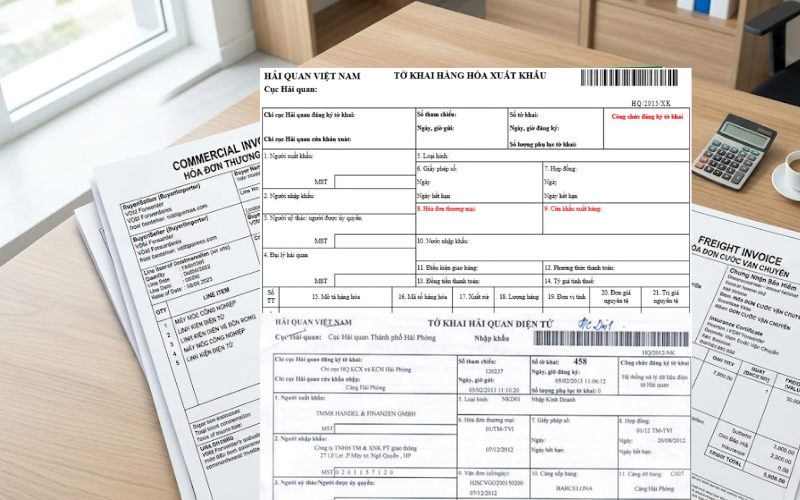
Customs procedures during the year-end period frequently suffer from system congestion due to the massive volume of declarations submitted. Enterprises must proactively audit HS codes, apply for specialized permits, and prepare complete import-export documentation packages right now. This diligence ensures swift customs clearance, preventing unnecessary DEM/DET container storage costs at port yards.
Enterprises should consider combining domestic sea freight, road transport, and air freight depending on the nature of each shipment. Diversifying transport modes reduces pressure on a single delivery route when localized congestion occurs.
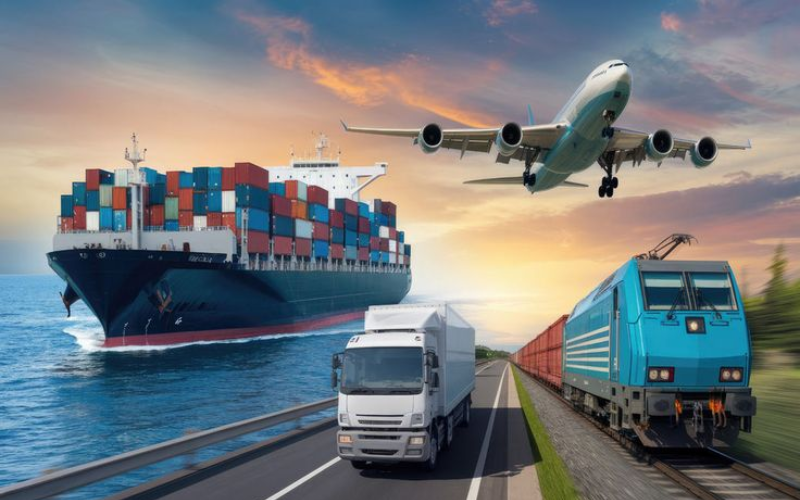
Carelessness in Tet logistics preparation can result in severe financial losses and damage to brand reputation in the market.
Without a clear logistics plan, businesses easily fall into a passive state when seaports become overloaded or trucks fail to turn around in time. Stagnant cargo causes companies to miss the golden window for placing products on supermarket shelves and distribution channels. Furthermore, resorting to last-minute transport services at inflated rates severely erodes the entire profit margin of the shipment.
To solve complex transport challenges during the year-end peak season, businesses need a reliable logistics partner. VDM Forwarder takes pride in providing comprehensive freight forwarding solutions that offer clients absolute peace of mind regarding cargo flow.
VDM Forwarder maintains an extensive network connected with reputable shipping lines and a robust domestic transport fleet. We assist enterprises in building cost-effective logistics plans, covering Full Container Load (FCL) transport, Less than Container Load (LCL) consolidation, and end-to-end customs clearance services. Our experienced specialists at VDM Forwarder are always ready to manage any arising port situations, ensuring your shipments are cleared and delivered safely on time. Contact VDM Forwarder today to receive expert advice on the most effective Tet logistics solutions.

Receive shipping service price lists and optimal logistics solution advice from our experts.




We are always ready to advise and support you 24/7.